
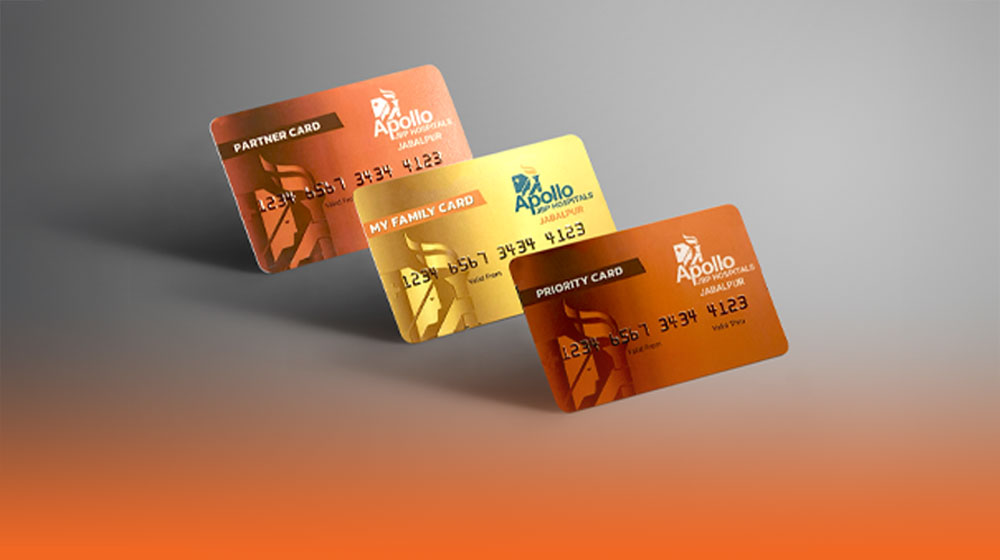
How precision, security, and patient-first design come together in one identity.
In a hospital, identity is not just a card—
it is access, safety, trust, and speed.
Among India’s largest healthcare institutions, Apollo Hospitals handles millions of patients and visitors every year. Every individual entering its ecosystem needs to be identified accurately, guided properly, and connected seamlessly to the right services. Behind that smooth experience lies a small, often overlooked yet highly powerful tool:
The Apollo Hospital Card.
But this card is not created casually.
Its design, material, structure, and technology all stem from one question:
“How do we make a patient’s journey easier, faster and safer?”
This is the story of how that card is made.
1. It Starts With Understanding the Patient Journey
Before designing the card, the identity team studies how patients interact with the hospital:
- Registration counters
- OPD visits
- Pharmacy collections
- Lab appointments
- Diagnostics
- Billing and insurance
- Re-visits and follow-ups
Every step needs the same thing:
Clear identity. Fast verification. Smooth navigation.
The Apollo card is designed to act as the single source of identity across all touchpoints.
This deep understanding is what shapes the blueprint.
2. Security First: Building a Card You Can Trust
A hospital handles sensitive data every second—
Personal details, medical history, insurance information, payment records.
The Apollo Hospital Card integrates:
- Unique barcode/QR code for instant scanning
- Encrypted identity number linked to patient records
- Hospital Information System (HIS) compatibility
- Tamper-proof material to prevent misidentification
Unlike a regular ID card, this one prioritizes data protection and authentication above everything else.
Even a second of delay at the counter can affect patient comfort—security and speed go hand in hand.
3. Material That Lasts Beyond One Visit
Patients often return for follow-ups, medications, or long-term treatments. The card must survive months—even years—of use.
The making process includes selecting:
- High-grade PVC or polycarbonate
- Fade-resistant printing inks
- Scratch-resistant lamination
- Moisture and sanitization-proof coating
Hospitals sanitize cards frequently, so the material must withstand disinfectants without peeling or fading.
Durability is non-negotiable.
4. Designing With Purpose: Clarity Over Complexity
The Apollo card is not designed to impress—it is designed to function.
Every element is placed intentionally:
- Bold patient name for easy identification
- Clear hospital branding for authority
- Readable font sizes for quick scanning
- Color-coded categories (patient, attendant, visitor, corporate, insurance)
- Space for critical numbers like UHID (Unique Hospital Identification Number)
The design follows one golden rule:
In a hospital, clarity saves time, and time can save lives.
5. Integrating Smart Functionality
Modern hospital cards go beyond basic identification.
Apollo integrates multi-layer functionality such as:
- Quick scanning at billing counters
- Digital patient record access
- Queue management integration
- Smart connectivity with lab and pharmacy systems
- Compatibility with NFC/RFID-based upgrades in future
This transforms the card into a smart companion during a patient’s entire healthcare journey.
6. Precision Printing: Where Craft Meets Technology
Once the design and data framework are approved, production begins.
High-end printing machines ensure:
- Color consistency
- Edge-to-edge precision
- Barcode accuracy
- High DPI medical-grade clarity
- Perfect alignment
Even a tiny error—a misprinted digit, a distorted barcode—can disrupt patient experience.
This is why hospital cards undergo multi-stage quality checks before they leave production.
7. The Human Touch: Tested for Real Life
Before mass rollout, prototype cards are tested:
- At registration counters
- With scanning devices
- Under sanitization sprays
- For durability in wallets and lanyards
- Under different lighting conditions
Staff feedback is taken seriously because they handle hundreds of cards a day.
Only when the card passes practical, real-world tests is it approved.
8. Distribution: Turning a Card Into a Promise
When a patient receives the Apollo Hospital Card, they aren’t just getting a piece of plastic.
They’re receiving:
- a unique identity
- access to care
- a sense of belonging
- a record of their medical history
- a smoother experience for future visits
This one simple card becomes the key to the entire Apollo ecosystem.
9. The Larger Impact: Why a Hospital Card Matters More Than You Think
In a hospital, the smallest tools often carry the biggest responsibilities.
A well-designed identity card:
- reduces waiting time
- eliminates repeated paperwork
- improves patient flow
- enhances accuracy
- prevents misidentification
- increases operational efficiency
- strengthens hospital safety
From OPD to billing to pharmacy—every system speeds up because identity becomes seamless.
This is why the making of the Apollo Hospital Card is not just a production process.
It is an experience design exercise.
10. Where Decade of Design Fits Into This Story
At Decade of Design, identity isn’t just printed — it is engineered.
The making of a hospital card like Apollo’s aligns perfectly with DoD’s strengths:
- High-precision printing
- Healthcare-grade material expertise
- Smart identity integrations
- Security-first manufacturing
- Design clarity for high-stress environments
Hospitals need identity tools that function flawlessly in real life.
DoD ensures that every card matches that standard — whether it’s for a global healthcare brand or a specialty clinic.
Conclusion: A Card That Enhances Care
The Apollo Hospital Card may be small in size, but it carries the weight of trust, safety, and operational excellence. Every detail — from its material to its functionality — is crafted to support a fast, organized, patient-centric healthcare system.
In a place where time, clarity, and security matter, this card becomes more than identity —
it becomes the backbone of the patient journey.
Popular Posts
-

25 Years of Legacy: How the Decade of Design Was Born
How precision, security, and patient-first design come together in one identity.
In a hospital, identity is not just a card—
it is access, safety, trust, and speed.Among India’s largest healthcare institutions, Apollo Hospitals handles millions of patients and visitors every year. Every individual entering its ecosystem needs to be identified accurately, guided properly, and connected seamlessly to the right services. Behind that smooth experience lies a small, often overlooked yet highly powerful tool:
The Apollo Hospital Card.
But this card is not created casually.
Its design, material, structure, and technology all stem from one question:“How do we make a patient’s journey easier, faster and safer?”
This is the story of how that card is made.
1. It Starts With Understanding the Patient Journey
Before designing the card, the identity team studies how patients interact with the hospital:
- Registration counters
- OPD visits
- Pharmacy collections
- Lab appointments
- Diagnostics
- Billing and insurance
- Re-visits and follow-ups
Every step needs the same thing:
Clear identity. Fast verification. Smooth navigation.The Apollo card is designed to act as the single source of identity across all touchpoints.
This deep understanding is what shapes the blueprint.
2. Security First: Building a Card You Can Trust
A hospital handles sensitive data every second—
Personal details, medical history, insurance information, payment records.The Apollo Hospital Card integrates:
- Unique barcode/QR code for instant scanning
- Encrypted identity number linked to patient records
- Hospital Information System (HIS) compatibility
- Tamper-proof material to prevent misidentification
Unlike a regular ID card, this one prioritizes data protection and authentication above everything else.
Even a second of delay at the counter can affect patient comfort—security and speed go hand in hand.3. Material That Lasts Beyond One Visit
Patients often return for follow-ups, medications, or long-term treatments. The card must survive months—even years—of use.
The making process includes selecting:
- High-grade PVC or polycarbonate
- Fade-resistant printing inks
- Scratch-resistant lamination
- Moisture and sanitization-proof coating
Hospitals sanitize cards frequently, so the material must withstand disinfectants without peeling or fading.
Durability is non-negotiable.
4. Designing With Purpose: Clarity Over Complexity
The Apollo card is not designed to impress—it is designed to function.
Every element is placed intentionally:
- Bold patient name for easy identification
- Clear hospital branding for authority
- Readable font sizes for quick scanning
- Color-coded categories (patient, attendant, visitor, corporate, insurance)
- Space for critical numbers like UHID (Unique Hospital Identification Number)
The design follows one golden rule:
In a hospital, clarity saves time, and time can save lives.5. Integrating Smart Functionality
Modern hospital cards go beyond basic identification.
Apollo integrates multi-layer functionality such as:- Quick scanning at billing counters
- Digital patient record access
- Queue management integration
- Smart connectivity with lab and pharmacy systems
- Compatibility with NFC/RFID-based upgrades in future
This transforms the card into a smart companion during a patient’s entire healthcare journey.
6. Precision Printing: Where Craft Meets Technology
Once the design and data framework are approved, production begins.
High-end printing machines ensure:
- Color consistency
- Edge-to-edge precision
- Barcode accuracy
- High DPI medical-grade clarity
- Perfect alignment
Even a tiny error—a misprinted digit, a distorted barcode—can disrupt patient experience.
This is why hospital cards undergo multi-stage quality checks before they leave production.
7. The Human Touch: Tested for Real Life
Before mass rollout, prototype cards are tested:
- At registration counters
- With scanning devices
- Under sanitization sprays
- For durability in wallets and lanyards
- Under different lighting conditions
Staff feedback is taken seriously because they handle hundreds of cards a day.
Only when the card passes practical, real-world tests is it approved.
8. Distribution: Turning a Card Into a Promise
When a patient receives the Apollo Hospital Card, they aren’t just getting a piece of plastic.
They’re receiving:
- a unique identity
- access to care
- a sense of belonging
- a record of their medical history
- a smoother experience for future visits
This one simple card becomes the key to the entire Apollo ecosystem.
9. The Larger Impact: Why a Hospital Card Matters More Than You Think
In a hospital, the smallest tools often carry the biggest responsibilities.
A well-designed identity card:
- reduces waiting time
- eliminates repeated paperwork
- improves patient flow
- enhances accuracy
- prevents misidentification
- increases operational efficiency
- strengthens hospital safety
From OPD to billing to pharmacy—every system speeds up because identity becomes seamless.
This is why the making of the Apollo Hospital Card is not just a production process.
It is an experience design exercise.10. Where Decade of Design Fits Into This Story
At Decade of Design, identity isn’t just printed — it is engineered.
The making of a hospital card like Apollo’s aligns perfectly with DoD’s strengths:
- High-precision printing
- Healthcare-grade material expertise
- Smart identity integrations
- Security-first manufacturing
- Design clarity for high-stress environments
Hospitals need identity tools that function flawlessly in real life.
DoD ensures that every card matches that standard — whether it’s for a global healthcare brand or a specialty clinic.Conclusion: A Card That Enhances Care
The Apollo Hospital Card may be small in size, but it carries the weight of trust, safety, and operational excellence. Every detail — from its material to its functionality — is crafted to support a fast, organized, patient-centric healthcare system.
In a place where time, clarity, and security matter, this card becomes more than identity —
it becomes the backbone of the patient journey. - Registration counters
-
Smart Cards vs Traditional Plastic Cards: Which Identity Solution Belongs to the Future?
How precision, security, and patient-first design come together in one identity.
In a hospital, identity is not just a card—
it is access, safety, trust, and speed.Among India’s largest healthcare institutions, Apollo Hospitals handles millions of patients and visitors every year. Every individual entering its ecosystem needs to be identified accurately, guided properly, and connected seamlessly to the right services. Behind that smooth experience lies a small, often overlooked yet highly powerful tool:
The Apollo Hospital Card.
But this card is not created casually.
Its design, material, structure, and technology all stem from one question:“How do we make a patient’s journey easier, faster and safer?”
This is the story of how that card is made.
1. It Starts With Understanding the Patient Journey
Before designing the card, the identity team studies how patients interact with the hospital:
- Registration counters
- OPD visits
- Pharmacy collections
- Lab appointments
- Diagnostics
- Billing and insurance
- Re-visits and follow-ups
Every step needs the same thing:
Clear identity. Fast verification. Smooth navigation.The Apollo card is designed to act as the single source of identity across all touchpoints.
This deep understanding is what shapes the blueprint.
2. Security First: Building a Card You Can Trust
A hospital handles sensitive data every second—
Personal details, medical history, insurance information, payment records.The Apollo Hospital Card integrates:
- Unique barcode/QR code for instant scanning
- Encrypted identity number linked to patient records
- Hospital Information System (HIS) compatibility
- Tamper-proof material to prevent misidentification
Unlike a regular ID card, this one prioritizes data protection and authentication above everything else.
Even a second of delay at the counter can affect patient comfort—security and speed go hand in hand.3. Material That Lasts Beyond One Visit
Patients often return for follow-ups, medications, or long-term treatments. The card must survive months—even years—of use.
The making process includes selecting:
- High-grade PVC or polycarbonate
- Fade-resistant printing inks
- Scratch-resistant lamination
- Moisture and sanitization-proof coating
Hospitals sanitize cards frequently, so the material must withstand disinfectants without peeling or fading.
Durability is non-negotiable.
4. Designing With Purpose: Clarity Over Complexity
The Apollo card is not designed to impress—it is designed to function.
Every element is placed intentionally:
- Bold patient name for easy identification
- Clear hospital branding for authority
- Readable font sizes for quick scanning
- Color-coded categories (patient, attendant, visitor, corporate, insurance)
- Space for critical numbers like UHID (Unique Hospital Identification Number)
The design follows one golden rule:
In a hospital, clarity saves time, and time can save lives.5. Integrating Smart Functionality
Modern hospital cards go beyond basic identification.
Apollo integrates multi-layer functionality such as:- Quick scanning at billing counters
- Digital patient record access
- Queue management integration
- Smart connectivity with lab and pharmacy systems
- Compatibility with NFC/RFID-based upgrades in future
This transforms the card into a smart companion during a patient’s entire healthcare journey.
6. Precision Printing: Where Craft Meets Technology
Once the design and data framework are approved, production begins.
High-end printing machines ensure:
- Color consistency
- Edge-to-edge precision
- Barcode accuracy
- High DPI medical-grade clarity
- Perfect alignment
Even a tiny error—a misprinted digit, a distorted barcode—can disrupt patient experience.
This is why hospital cards undergo multi-stage quality checks before they leave production.
7. The Human Touch: Tested for Real Life
Before mass rollout, prototype cards are tested:
- At registration counters
- With scanning devices
- Under sanitization sprays
- For durability in wallets and lanyards
- Under different lighting conditions
Staff feedback is taken seriously because they handle hundreds of cards a day.
Only when the card passes practical, real-world tests is it approved.
8. Distribution: Turning a Card Into a Promise
When a patient receives the Apollo Hospital Card, they aren’t just getting a piece of plastic.
They’re receiving:
- a unique identity
- access to care
- a sense of belonging
- a record of their medical history
- a smoother experience for future visits
This one simple card becomes the key to the entire Apollo ecosystem.
9. The Larger Impact: Why a Hospital Card Matters More Than You Think
In a hospital, the smallest tools often carry the biggest responsibilities.
A well-designed identity card:
- reduces waiting time
- eliminates repeated paperwork
- improves patient flow
- enhances accuracy
- prevents misidentification
- increases operational efficiency
- strengthens hospital safety
From OPD to billing to pharmacy—every system speeds up because identity becomes seamless.
This is why the making of the Apollo Hospital Card is not just a production process.
It is an experience design exercise.10. Where Decade of Design Fits Into This Story
At Decade of Design, identity isn’t just printed — it is engineered.
The making of a hospital card like Apollo’s aligns perfectly with DoD’s strengths:
- High-precision printing
- Healthcare-grade material expertise
- Smart identity integrations
- Security-first manufacturing
- Design clarity for high-stress environments
Hospitals need identity tools that function flawlessly in real life.
DoD ensures that every card matches that standard — whether it’s for a global healthcare brand or a specialty clinic.Conclusion: A Card That Enhances Care
The Apollo Hospital Card may be small in size, but it carries the weight of trust, safety, and operational excellence. Every detail — from its material to its functionality — is crafted to support a fast, organized, patient-centric healthcare system.
In a place where time, clarity, and security matter, this card becomes more than identity —
it becomes the backbone of the patient journey. - Registration counters
-
Rebranding? Don’t Forget Your Plastic Pvc Cards.
How precision, security, and patient-first design come together in one identity.
In a hospital, identity is not just a card—
it is access, safety, trust, and speed.Among India’s largest healthcare institutions, Apollo Hospitals handles millions of patients and visitors every year. Every individual entering its ecosystem needs to be identified accurately, guided properly, and connected seamlessly to the right services. Behind that smooth experience lies a small, often overlooked yet highly powerful tool:
The Apollo Hospital Card.
But this card is not created casually.
Its design, material, structure, and technology all stem from one question:“How do we make a patient’s journey easier, faster and safer?”
This is the story of how that card is made.
1. It Starts With Understanding the Patient Journey
Before designing the card, the identity team studies how patients interact with the hospital:
- Registration counters
- OPD visits
- Pharmacy collections
- Lab appointments
- Diagnostics
- Billing and insurance
- Re-visits and follow-ups
Every step needs the same thing:
Clear identity. Fast verification. Smooth navigation.The Apollo card is designed to act as the single source of identity across all touchpoints.
This deep understanding is what shapes the blueprint.
2. Security First: Building a Card You Can Trust
A hospital handles sensitive data every second—
Personal details, medical history, insurance information, payment records.The Apollo Hospital Card integrates:
- Unique barcode/QR code for instant scanning
- Encrypted identity number linked to patient records
- Hospital Information System (HIS) compatibility
- Tamper-proof material to prevent misidentification
Unlike a regular ID card, this one prioritizes data protection and authentication above everything else.
Even a second of delay at the counter can affect patient comfort—security and speed go hand in hand.3. Material That Lasts Beyond One Visit
Patients often return for follow-ups, medications, or long-term treatments. The card must survive months—even years—of use.
The making process includes selecting:
- High-grade PVC or polycarbonate
- Fade-resistant printing inks
- Scratch-resistant lamination
- Moisture and sanitization-proof coating
Hospitals sanitize cards frequently, so the material must withstand disinfectants without peeling or fading.
Durability is non-negotiable.
4. Designing With Purpose: Clarity Over Complexity
The Apollo card is not designed to impress—it is designed to function.
Every element is placed intentionally:
- Bold patient name for easy identification
- Clear hospital branding for authority
- Readable font sizes for quick scanning
- Color-coded categories (patient, attendant, visitor, corporate, insurance)
- Space for critical numbers like UHID (Unique Hospital Identification Number)
The design follows one golden rule:
In a hospital, clarity saves time, and time can save lives.5. Integrating Smart Functionality
Modern hospital cards go beyond basic identification.
Apollo integrates multi-layer functionality such as:- Quick scanning at billing counters
- Digital patient record access
- Queue management integration
- Smart connectivity with lab and pharmacy systems
- Compatibility with NFC/RFID-based upgrades in future
This transforms the card into a smart companion during a patient’s entire healthcare journey.
6. Precision Printing: Where Craft Meets Technology
Once the design and data framework are approved, production begins.
High-end printing machines ensure:
- Color consistency
- Edge-to-edge precision
- Barcode accuracy
- High DPI medical-grade clarity
- Perfect alignment
Even a tiny error—a misprinted digit, a distorted barcode—can disrupt patient experience.
This is why hospital cards undergo multi-stage quality checks before they leave production.
7. The Human Touch: Tested for Real Life
Before mass rollout, prototype cards are tested:
- At registration counters
- With scanning devices
- Under sanitization sprays
- For durability in wallets and lanyards
- Under different lighting conditions
Staff feedback is taken seriously because they handle hundreds of cards a day.
Only when the card passes practical, real-world tests is it approved.
8. Distribution: Turning a Card Into a Promise
When a patient receives the Apollo Hospital Card, they aren’t just getting a piece of plastic.
They’re receiving:
- a unique identity
- access to care
- a sense of belonging
- a record of their medical history
- a smoother experience for future visits
This one simple card becomes the key to the entire Apollo ecosystem.
9. The Larger Impact: Why a Hospital Card Matters More Than You Think
In a hospital, the smallest tools often carry the biggest responsibilities.
A well-designed identity card:
- reduces waiting time
- eliminates repeated paperwork
- improves patient flow
- enhances accuracy
- prevents misidentification
- increases operational efficiency
- strengthens hospital safety
From OPD to billing to pharmacy—every system speeds up because identity becomes seamless.
This is why the making of the Apollo Hospital Card is not just a production process.
It is an experience design exercise.10. Where Decade of Design Fits Into This Story
At Decade of Design, identity isn’t just printed — it is engineered.
The making of a hospital card like Apollo’s aligns perfectly with DoD’s strengths:
- High-precision printing
- Healthcare-grade material expertise
- Smart identity integrations
- Security-first manufacturing
- Design clarity for high-stress environments
Hospitals need identity tools that function flawlessly in real life.
DoD ensures that every card matches that standard — whether it’s for a global healthcare brand or a specialty clinic.Conclusion: A Card That Enhances Care
The Apollo Hospital Card may be small in size, but it carries the weight of trust, safety, and operational excellence. Every detail — from its material to its functionality — is crafted to support a fast, organized, patient-centric healthcare system.
In a place where time, clarity, and security matter, this card becomes more than identity —
it becomes the backbone of the patient journey. - Registration counters
-
The Importance of NFC Cards in This Fast-Pacing World
How precision, security, and patient-first design come together in one identity.
In a hospital, identity is not just a card—
it is access, safety, trust, and speed.Among India’s largest healthcare institutions, Apollo Hospitals handles millions of patients and visitors every year. Every individual entering its ecosystem needs to be identified accurately, guided properly, and connected seamlessly to the right services. Behind that smooth experience lies a small, often overlooked yet highly powerful tool:
The Apollo Hospital Card.
But this card is not created casually.
Its design, material, structure, and technology all stem from one question:“How do we make a patient’s journey easier, faster and safer?”
This is the story of how that card is made.
1. It Starts With Understanding the Patient Journey
Before designing the card, the identity team studies how patients interact with the hospital:
- Registration counters
- OPD visits
- Pharmacy collections
- Lab appointments
- Diagnostics
- Billing and insurance
- Re-visits and follow-ups
Every step needs the same thing:
Clear identity. Fast verification. Smooth navigation.The Apollo card is designed to act as the single source of identity across all touchpoints.
This deep understanding is what shapes the blueprint.
2. Security First: Building a Card You Can Trust
A hospital handles sensitive data every second—
Personal details, medical history, insurance information, payment records.The Apollo Hospital Card integrates:
- Unique barcode/QR code for instant scanning
- Encrypted identity number linked to patient records
- Hospital Information System (HIS) compatibility
- Tamper-proof material to prevent misidentification
Unlike a regular ID card, this one prioritizes data protection and authentication above everything else.
Even a second of delay at the counter can affect patient comfort—security and speed go hand in hand.3. Material That Lasts Beyond One Visit
Patients often return for follow-ups, medications, or long-term treatments. The card must survive months—even years—of use.
The making process includes selecting:
- High-grade PVC or polycarbonate
- Fade-resistant printing inks
- Scratch-resistant lamination
- Moisture and sanitization-proof coating
Hospitals sanitize cards frequently, so the material must withstand disinfectants without peeling or fading.
Durability is non-negotiable.
4. Designing With Purpose: Clarity Over Complexity
The Apollo card is not designed to impress—it is designed to function.
Every element is placed intentionally:
- Bold patient name for easy identification
- Clear hospital branding for authority
- Readable font sizes for quick scanning
- Color-coded categories (patient, attendant, visitor, corporate, insurance)
- Space for critical numbers like UHID (Unique Hospital Identification Number)
The design follows one golden rule:
In a hospital, clarity saves time, and time can save lives.5. Integrating Smart Functionality
Modern hospital cards go beyond basic identification.
Apollo integrates multi-layer functionality such as:- Quick scanning at billing counters
- Digital patient record access
- Queue management integration
- Smart connectivity with lab and pharmacy systems
- Compatibility with NFC/RFID-based upgrades in future
This transforms the card into a smart companion during a patient’s entire healthcare journey.
6. Precision Printing: Where Craft Meets Technology
Once the design and data framework are approved, production begins.
High-end printing machines ensure:
- Color consistency
- Edge-to-edge precision
- Barcode accuracy
- High DPI medical-grade clarity
- Perfect alignment
Even a tiny error—a misprinted digit, a distorted barcode—can disrupt patient experience.
This is why hospital cards undergo multi-stage quality checks before they leave production.
7. The Human Touch: Tested for Real Life
Before mass rollout, prototype cards are tested:
- At registration counters
- With scanning devices
- Under sanitization sprays
- For durability in wallets and lanyards
- Under different lighting conditions
Staff feedback is taken seriously because they handle hundreds of cards a day.
Only when the card passes practical, real-world tests is it approved.
8. Distribution: Turning a Card Into a Promise
When a patient receives the Apollo Hospital Card, they aren’t just getting a piece of plastic.
They’re receiving:
- a unique identity
- access to care
- a sense of belonging
- a record of their medical history
- a smoother experience for future visits
This one simple card becomes the key to the entire Apollo ecosystem.
9. The Larger Impact: Why a Hospital Card Matters More Than You Think
In a hospital, the smallest tools often carry the biggest responsibilities.
A well-designed identity card:
- reduces waiting time
- eliminates repeated paperwork
- improves patient flow
- enhances accuracy
- prevents misidentification
- increases operational efficiency
- strengthens hospital safety
From OPD to billing to pharmacy—every system speeds up because identity becomes seamless.
This is why the making of the Apollo Hospital Card is not just a production process.
It is an experience design exercise.10. Where Decade of Design Fits Into This Story
At Decade of Design, identity isn’t just printed — it is engineered.
The making of a hospital card like Apollo’s aligns perfectly with DoD’s strengths:
- High-precision printing
- Healthcare-grade material expertise
- Smart identity integrations
- Security-first manufacturing
- Design clarity for high-stress environments
Hospitals need identity tools that function flawlessly in real life.
DoD ensures that every card matches that standard — whether it’s for a global healthcare brand or a specialty clinic.Conclusion: A Card That Enhances Care
The Apollo Hospital Card may be small in size, but it carries the weight of trust, safety, and operational excellence. Every detail — from its material to its functionality — is crafted to support a fast, organized, patient-centric healthcare system.
In a place where time, clarity, and security matter, this card becomes more than identity —
it becomes the backbone of the patient journey. - Registration counters
-

How Corporate Lanyards Are Becoming a Branding Powerhouse
How precision, security, and patient-first design come together in one identity.
In a hospital, identity is not just a card—
it is access, safety, trust, and speed.Among India’s largest healthcare institutions, Apollo Hospitals handles millions of patients and visitors every year. Every individual entering its ecosystem needs to be identified accurately, guided properly, and connected seamlessly to the right services. Behind that smooth experience lies a small, often overlooked yet highly powerful tool:
The Apollo Hospital Card.
But this card is not created casually.
Its design, material, structure, and technology all stem from one question:“How do we make a patient’s journey easier, faster and safer?”
This is the story of how that card is made.
1. It Starts With Understanding the Patient Journey
Before designing the card, the identity team studies how patients interact with the hospital:
- Registration counters
- OPD visits
- Pharmacy collections
- Lab appointments
- Diagnostics
- Billing and insurance
- Re-visits and follow-ups
Every step needs the same thing:
Clear identity. Fast verification. Smooth navigation.The Apollo card is designed to act as the single source of identity across all touchpoints.
This deep understanding is what shapes the blueprint.
2. Security First: Building a Card You Can Trust
A hospital handles sensitive data every second—
Personal details, medical history, insurance information, payment records.The Apollo Hospital Card integrates:
- Unique barcode/QR code for instant scanning
- Encrypted identity number linked to patient records
- Hospital Information System (HIS) compatibility
- Tamper-proof material to prevent misidentification
Unlike a regular ID card, this one prioritizes data protection and authentication above everything else.
Even a second of delay at the counter can affect patient comfort—security and speed go hand in hand.3. Material That Lasts Beyond One Visit
Patients often return for follow-ups, medications, or long-term treatments. The card must survive months—even years—of use.
The making process includes selecting:
- High-grade PVC or polycarbonate
- Fade-resistant printing inks
- Scratch-resistant lamination
- Moisture and sanitization-proof coating
Hospitals sanitize cards frequently, so the material must withstand disinfectants without peeling or fading.
Durability is non-negotiable.
4. Designing With Purpose: Clarity Over Complexity
The Apollo card is not designed to impress—it is designed to function.
Every element is placed intentionally:
- Bold patient name for easy identification
- Clear hospital branding for authority
- Readable font sizes for quick scanning
- Color-coded categories (patient, attendant, visitor, corporate, insurance)
- Space for critical numbers like UHID (Unique Hospital Identification Number)
The design follows one golden rule:
In a hospital, clarity saves time, and time can save lives.5. Integrating Smart Functionality
Modern hospital cards go beyond basic identification.
Apollo integrates multi-layer functionality such as:- Quick scanning at billing counters
- Digital patient record access
- Queue management integration
- Smart connectivity with lab and pharmacy systems
- Compatibility with NFC/RFID-based upgrades in future
This transforms the card into a smart companion during a patient’s entire healthcare journey.
6. Precision Printing: Where Craft Meets Technology
Once the design and data framework are approved, production begins.
High-end printing machines ensure:
- Color consistency
- Edge-to-edge precision
- Barcode accuracy
- High DPI medical-grade clarity
- Perfect alignment
Even a tiny error—a misprinted digit, a distorted barcode—can disrupt patient experience.
This is why hospital cards undergo multi-stage quality checks before they leave production.
7. The Human Touch: Tested for Real Life
Before mass rollout, prototype cards are tested:
- At registration counters
- With scanning devices
- Under sanitization sprays
- For durability in wallets and lanyards
- Under different lighting conditions
Staff feedback is taken seriously because they handle hundreds of cards a day.
Only when the card passes practical, real-world tests is it approved.
8. Distribution: Turning a Card Into a Promise
When a patient receives the Apollo Hospital Card, they aren’t just getting a piece of plastic.
They’re receiving:
- a unique identity
- access to care
- a sense of belonging
- a record of their medical history
- a smoother experience for future visits
This one simple card becomes the key to the entire Apollo ecosystem.
9. The Larger Impact: Why a Hospital Card Matters More Than You Think
In a hospital, the smallest tools often carry the biggest responsibilities.
A well-designed identity card:
- reduces waiting time
- eliminates repeated paperwork
- improves patient flow
- enhances accuracy
- prevents misidentification
- increases operational efficiency
- strengthens hospital safety
From OPD to billing to pharmacy—every system speeds up because identity becomes seamless.
This is why the making of the Apollo Hospital Card is not just a production process.
It is an experience design exercise.10. Where Decade of Design Fits Into This Story
At Decade of Design, identity isn’t just printed — it is engineered.
The making of a hospital card like Apollo’s aligns perfectly with DoD’s strengths:
- High-precision printing
- Healthcare-grade material expertise
- Smart identity integrations
- Security-first manufacturing
- Design clarity for high-stress environments
Hospitals need identity tools that function flawlessly in real life.
DoD ensures that every card matches that standard — whether it’s for a global healthcare brand or a specialty clinic.Conclusion: A Card That Enhances Care
The Apollo Hospital Card may be small in size, but it carries the weight of trust, safety, and operational excellence. Every detail — from its material to its functionality — is crafted to support a fast, organized, patient-centric healthcare system.
In a place where time, clarity, and security matter, this card becomes more than identity —
it becomes the backbone of the patient journey. - Registration counters
