
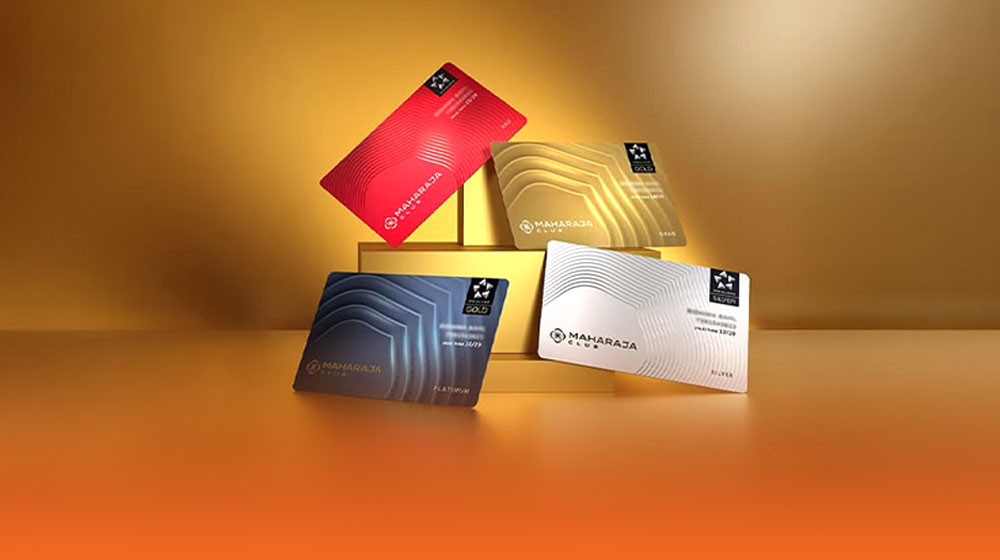
The Identity Detail Most Brands Miss — And Why It Matters More Than You Think.
Rebranding is one of the most powerful strategic decisions a company can make. It’s a chance to reset public perception, redefine identity, and reposition the brand for a stronger, more relevant future. New logo, new colors, new website, new messaging — every element is carefully crafted and updated.
But there’s one crucial identity element brands often overlook during a rebrand.
Your cards.
Whether it’s business cards, employee ID cards, NFC profile cards, loyalty cards, or access cards — these small rectangles often carry more daily visibility and human interaction than entire marketing campaigns. And yet, they’re updated last, inconsistently, or sometimes not at all.
In reality, your cards are among the first and most frequent touchpoints your brand has. And if you’re rebranding, forgetting them is not an option.
Here’s why.
1. Your Cards Are Your Brand’s Handshake
A business card may seem old-school, but it remains one of the purest elements of brand expression. It travels from hand to hand, meeting rooms to conferences, pockets to desks. Even in a digital-first world, people still exchange cards because they represent credibility, professionalism, and presence.
During a rebrand, if your new visual identity is modern, fresh, and forward-looking—but your team is still handing out outdated cards—you immediately create confusion.
A brand handshake should be:
- intentional
- confident
- aligned
- memorable
Your cards should say exactly what the new brand stands for, without contradiction.
2. Identity Cards Carry Your Brand Every Day
Employee ID cards and lanyards are worn more than any other branded item. They appear in:
- office spaces
- client visits
- events
- vendor meetings
- photos
- videos
- onboarding decks
- social media posts
- behind-the-scenes content
A rebrand that updates signage, websites, and social media but ignores identity cards leaves a strange visual disconnect in your own workplace.
Because ID cards are worn daily, they are:
- the most seen
- the most photographed
- the most shared
- the most culturally significant symbol of belonging
A fresh identity should reflect in these everyday elements first, not last.
3. Smart Cards Make Your Rebrand Feel Modern
As brands shift to digital-first experiences, NFC smart cards, RFID cards, and digital profile cards have become essential tools.
When someone taps your NFC card and sees a beautifully updated digital profile aligned with your new brand language, the experience becomes seamless. Smart cards ensure that:
- the brand update reflects digitally
- information updates instantly
- networking becomes efficient
- the brand feels modern and technologically aware
Ignoring smart identity products during a rebrand sends the wrong message:
You’ve updated your look, but not your systems.
4. Rebranding Is About Consistency — Cards Are Often the Breaking Point
A successful rebrand is built on one truth:
Consistency equals trust.
Every piece of branding must look like it belongs to the same family. When cards don’t match:
- your offline and online identity clash
- stakeholders get mixed signals
- team members feel disconnected
- the brand loses sharpness and clarity
Cards are physical proof of consistency. If they aren’t updated, the rebrand feels incomplete — sometimes even superficial.
5. Rebranding Is Emotional — Cards Help Employees Feel the Shift
One of the most overlooked parts of rebranding is the internal transformation. Employees need to feel the new brand — not just see it on slides.
Upgraded identity cards and lanyards create a sense of belonging and pride. They represent something deeper:
- “We’re evolving.”
- “This is our new chapter.”
- “We’re part of something bigger.”
When employees wear redesigned cards every day, the brand becomes part of their identity. It’s a subtle but powerful moment that can turn a rebrand into a movement.
6. Your Cards Carry the New Story
Every rebrand has a story — why the brand changed, what it now represents, and where it's heading. Cards help translate that story into everyday objects.
A well-designed business card can communicate:
- sharper brand personality
- renewed confidence
- clarity of design philosophy
- attention to detail
- premium positioning
A redesigned ID card or smart card can reflect:
- enhanced professionalism
- upgraded security
- digital-forward thinking
- a better organizational culture
Your rebrand is a chance to rewrite your story. Your cards help you tell it in spaces where big branding cannot reach.
7. Cards Are Your Smallest Asset With the Biggest Daily Reach
A brand invests crores into advertising, signage, and packaging — but few elements have the daily consistency of a card.
Consider this:
- A billboard is seen for seconds.
- A social post is seen for minutes.
- A website is seen occasionally.
- But an ID card is seen every day.
- A visiting card is saved, filed, or photographed.
- A smart card is tapped repeatedly across weeks or months.
No other identity tool offers such high-frequency exposure with such low cost.
If rebranding is about visibility, cards are your most powerful miniature billboards.
8. Rebrand = Reintroduce Yourself. Your Cards Are the Introduction.
Your new logo, new colors, new messaging — they’re all part of how you reintroduce yourself to the world. But introductions happen in human moments: a handshake, a meeting, a conversation, a tap.
That’s where cards matter most.
They complete the rebrand.
They reflect the transformation.
They make the new brand tangible.
Without refreshed cards, the rebrand feels unfinished — like changing your wardrobe but keeping the old name tag.
How Decade of Design Helps Brands Rebrand Right
At Decade of Design, identity is not just printed — it’s crafted.
Our role in a rebrand is to ensure your identity products speak the same language as your renewed brand vision.
We help brands update:
- business cards
- ID cards
- NFC smart cards
- RFID access cards
- membership cards
- lanyards
- corporate identity sets
From design alignment to smart integrations, DoD ensures your rebrand is complete, cohesive, and future-proof.
Because identity is not just what you show.
It’s what people remember.
And nothing is remembered more than the card you hand out or the ID you wear every day.
Conclusion: Don’t Rebrand Halfway
Rebrands are rare opportunities. When done right, they transform perception, energize teams, and reposition a brand powerfully. When done halfway, they create confusion and inconsistency.
Your cards might be small — but in a rebrand, they carry enormous weight.
Don’t leave them behind.
Don’t update everything and forget the objects that people actually hold, share, and wear.
Your new identity deserves to be felt in every detail.
Because when your cards change, your brand doesn’t just look different —
it feels different.
Popular Posts
-
25 Years of Legacy: How the Decade of Design Was Born
The Identity Detail Most Brands Miss — And Why It Matters More Than You Think.
Rebranding is one of the most powerful strategic decisions a company can make. It’s a chance to reset public perception, redefine identity, and reposition the brand for a stronger, more relevant future. New logo, new colors, new website, new messaging — every element is carefully crafted and updated.
But there’s one crucial identity element brands often overlook during a rebrand.
Your cards.
Whether it’s business cards, employee ID cards, NFC profile cards, loyalty cards, or access cards — these small rectangles often carry more daily visibility and human interaction than entire marketing campaigns. And yet, they’re updated last, inconsistently, or sometimes not at all.
In reality, your cards are among the first and most frequent touchpoints your brand has. And if you’re rebranding, forgetting them is not an option.
Here’s why.
1. Your Cards Are Your Brand’s Handshake
A business card may seem old-school, but it remains one of the purest elements of brand expression. It travels from hand to hand, meeting rooms to conferences, pockets to desks. Even in a digital-first world, people still exchange cards because they represent credibility, professionalism, and presence.
During a rebrand, if your new visual identity is modern, fresh, and forward-looking—but your team is still handing out outdated cards—you immediately create confusion.
A brand handshake should be:
- intentional
- confident
- aligned
- memorable
Your cards should say exactly what the new brand stands for, without contradiction.
2. Identity Cards Carry Your Brand Every Day
Employee ID cards and lanyards are worn more than any other branded item. They appear in:
- office spaces
- client visits
- events
- vendor meetings
- photos
- videos
- onboarding decks
- social media posts
- behind-the-scenes content
A rebrand that updates signage, websites, and social media but ignores identity cards leaves a strange visual disconnect in your own workplace.
Because ID cards are worn daily, they are:
- the most seen
- the most photographed
- the most shared
- the most culturally significant symbol of belonging
A fresh identity should reflect in these everyday elements first, not last.
3. Smart Cards Make Your Rebrand Feel Modern
As brands shift to digital-first experiences, NFC smart cards, RFID cards, and digital profile cards have become essential tools.
When someone taps your NFC card and sees a beautifully updated digital profile aligned with your new brand language, the experience becomes seamless. Smart cards ensure that:
- the brand update reflects digitally
- information updates instantly
- networking becomes efficient
- the brand feels modern and technologically aware
Ignoring smart identity products during a rebrand sends the wrong message:
You’ve updated your look, but not your systems.4. Rebranding Is About Consistency — Cards Are Often the Breaking Point
A successful rebrand is built on one truth:
Consistency equals trust.Every piece of branding must look like it belongs to the same family. When cards don’t match:
- your offline and online identity clash
- stakeholders get mixed signals
- team members feel disconnected
- the brand loses sharpness and clarity
Cards are physical proof of consistency. If they aren’t updated, the rebrand feels incomplete — sometimes even superficial.
5. Rebranding Is Emotional — Cards Help Employees Feel the Shift
One of the most overlooked parts of rebranding is the internal transformation. Employees need to feel the new brand — not just see it on slides.
Upgraded identity cards and lanyards create a sense of belonging and pride. They represent something deeper:
- “We’re evolving.”
- “This is our new chapter.”
- “We’re part of something bigger.”
When employees wear redesigned cards every day, the brand becomes part of their identity. It’s a subtle but powerful moment that can turn a rebrand into a movement.
6. Your Cards Carry the New Story
Every rebrand has a story — why the brand changed, what it now represents, and where it's heading. Cards help translate that story into everyday objects.
A well-designed business card can communicate:
- sharper brand personality
- renewed confidence
- clarity of design philosophy
- attention to detail
- premium positioning
A redesigned ID card or smart card can reflect:
- enhanced professionalism
- upgraded security
- digital-forward thinking
- a better organizational culture
Your rebrand is a chance to rewrite your story. Your cards help you tell it in spaces where big branding cannot reach.
7. Cards Are Your Smallest Asset With the Biggest Daily Reach
A brand invests crores into advertising, signage, and packaging — but few elements have the daily consistency of a card.
Consider this:
- A billboard is seen for seconds.
- A social post is seen for minutes.
- A website is seen occasionally.
- But an ID card is seen every day.
- A visiting card is saved, filed, or photographed.
- A smart card is tapped repeatedly across weeks or months.
No other identity tool offers such high-frequency exposure with such low cost.
If rebranding is about visibility, cards are your most powerful miniature billboards.
8. Rebrand = Reintroduce Yourself. Your Cards Are the Introduction.
Your new logo, new colors, new messaging — they’re all part of how you reintroduce yourself to the world. But introductions happen in human moments: a handshake, a meeting, a conversation, a tap.
That’s where cards matter most.
They complete the rebrand.
They reflect the transformation.
They make the new brand tangible.Without refreshed cards, the rebrand feels unfinished — like changing your wardrobe but keeping the old name tag.
How Decade of Design Helps Brands Rebrand Right
At Decade of Design, identity is not just printed — it’s crafted.
Our role in a rebrand is to ensure your identity products speak the same language as your renewed brand vision.We help brands update:
- business cards
- ID cards
- NFC smart cards
- RFID access cards
- membership cards
- lanyards
- corporate identity sets
From design alignment to smart integrations, DoD ensures your rebrand is complete, cohesive, and future-proof.
Because identity is not just what you show.
It’s what people remember.
And nothing is remembered more than the card you hand out or the ID you wear every day.Conclusion: Don’t Rebrand Halfway
Rebrands are rare opportunities. When done right, they transform perception, energize teams, and reposition a brand powerfully. When done halfway, they create confusion and inconsistency.
Your cards might be small — but in a rebrand, they carry enormous weight.
Don’t leave them behind.
Don’t update everything and forget the objects that people actually hold, share, and wear.
Your new identity deserves to be felt in every detail.Because when your cards change, your brand doesn’t just look different —
it feels different. - intentional
-
Smart Cards vs Traditional Plastic Cards: Which Identity Solution Belongs to the Future?
The Identity Detail Most Brands Miss — And Why It Matters More Than You Think.
Rebranding is one of the most powerful strategic decisions a company can make. It’s a chance to reset public perception, redefine identity, and reposition the brand for a stronger, more relevant future. New logo, new colors, new website, new messaging — every element is carefully crafted and updated.
But there’s one crucial identity element brands often overlook during a rebrand.
Your cards.
Whether it’s business cards, employee ID cards, NFC profile cards, loyalty cards, or access cards — these small rectangles often carry more daily visibility and human interaction than entire marketing campaigns. And yet, they’re updated last, inconsistently, or sometimes not at all.
In reality, your cards are among the first and most frequent touchpoints your brand has. And if you’re rebranding, forgetting them is not an option.
Here’s why.
1. Your Cards Are Your Brand’s Handshake
A business card may seem old-school, but it remains one of the purest elements of brand expression. It travels from hand to hand, meeting rooms to conferences, pockets to desks. Even in a digital-first world, people still exchange cards because they represent credibility, professionalism, and presence.
During a rebrand, if your new visual identity is modern, fresh, and forward-looking—but your team is still handing out outdated cards—you immediately create confusion.
A brand handshake should be:
- intentional
- confident
- aligned
- memorable
Your cards should say exactly what the new brand stands for, without contradiction.
2. Identity Cards Carry Your Brand Every Day
Employee ID cards and lanyards are worn more than any other branded item. They appear in:
- office spaces
- client visits
- events
- vendor meetings
- photos
- videos
- onboarding decks
- social media posts
- behind-the-scenes content
A rebrand that updates signage, websites, and social media but ignores identity cards leaves a strange visual disconnect in your own workplace.
Because ID cards are worn daily, they are:
- the most seen
- the most photographed
- the most shared
- the most culturally significant symbol of belonging
A fresh identity should reflect in these everyday elements first, not last.
3. Smart Cards Make Your Rebrand Feel Modern
As brands shift to digital-first experiences, NFC smart cards, RFID cards, and digital profile cards have become essential tools.
When someone taps your NFC card and sees a beautifully updated digital profile aligned with your new brand language, the experience becomes seamless. Smart cards ensure that:
- the brand update reflects digitally
- information updates instantly
- networking becomes efficient
- the brand feels modern and technologically aware
Ignoring smart identity products during a rebrand sends the wrong message:
You’ve updated your look, but not your systems.4. Rebranding Is About Consistency — Cards Are Often the Breaking Point
A successful rebrand is built on one truth:
Consistency equals trust.Every piece of branding must look like it belongs to the same family. When cards don’t match:
- your offline and online identity clash
- stakeholders get mixed signals
- team members feel disconnected
- the brand loses sharpness and clarity
Cards are physical proof of consistency. If they aren’t updated, the rebrand feels incomplete — sometimes even superficial.
5. Rebranding Is Emotional — Cards Help Employees Feel the Shift
One of the most overlooked parts of rebranding is the internal transformation. Employees need to feel the new brand — not just see it on slides.
Upgraded identity cards and lanyards create a sense of belonging and pride. They represent something deeper:
- “We’re evolving.”
- “This is our new chapter.”
- “We’re part of something bigger.”
When employees wear redesigned cards every day, the brand becomes part of their identity. It’s a subtle but powerful moment that can turn a rebrand into a movement.
6. Your Cards Carry the New Story
Every rebrand has a story — why the brand changed, what it now represents, and where it's heading. Cards help translate that story into everyday objects.
A well-designed business card can communicate:
- sharper brand personality
- renewed confidence
- clarity of design philosophy
- attention to detail
- premium positioning
A redesigned ID card or smart card can reflect:
- enhanced professionalism
- upgraded security
- digital-forward thinking
- a better organizational culture
Your rebrand is a chance to rewrite your story. Your cards help you tell it in spaces where big branding cannot reach.
7. Cards Are Your Smallest Asset With the Biggest Daily Reach
A brand invests crores into advertising, signage, and packaging — but few elements have the daily consistency of a card.
Consider this:
- A billboard is seen for seconds.
- A social post is seen for minutes.
- A website is seen occasionally.
- But an ID card is seen every day.
- A visiting card is saved, filed, or photographed.
- A smart card is tapped repeatedly across weeks or months.
No other identity tool offers such high-frequency exposure with such low cost.
If rebranding is about visibility, cards are your most powerful miniature billboards.
8. Rebrand = Reintroduce Yourself. Your Cards Are the Introduction.
Your new logo, new colors, new messaging — they’re all part of how you reintroduce yourself to the world. But introductions happen in human moments: a handshake, a meeting, a conversation, a tap.
That’s where cards matter most.
They complete the rebrand.
They reflect the transformation.
They make the new brand tangible.Without refreshed cards, the rebrand feels unfinished — like changing your wardrobe but keeping the old name tag.
How Decade of Design Helps Brands Rebrand Right
At Decade of Design, identity is not just printed — it’s crafted.
Our role in a rebrand is to ensure your identity products speak the same language as your renewed brand vision.We help brands update:
- business cards
- ID cards
- NFC smart cards
- RFID access cards
- membership cards
- lanyards
- corporate identity sets
From design alignment to smart integrations, DoD ensures your rebrand is complete, cohesive, and future-proof.
Because identity is not just what you show.
It’s what people remember.
And nothing is remembered more than the card you hand out or the ID you wear every day.Conclusion: Don’t Rebrand Halfway
Rebrands are rare opportunities. When done right, they transform perception, energize teams, and reposition a brand powerfully. When done halfway, they create confusion and inconsistency.
Your cards might be small — but in a rebrand, they carry enormous weight.
Don’t leave them behind.
Don’t update everything and forget the objects that people actually hold, share, and wear.
Your new identity deserves to be felt in every detail.Because when your cards change, your brand doesn’t just look different —
it feels different. - intentional
-
The Importance of NFC Cards in This Fast-Pacing World
The Identity Detail Most Brands Miss — And Why It Matters More Than You Think.
Rebranding is one of the most powerful strategic decisions a company can make. It’s a chance to reset public perception, redefine identity, and reposition the brand for a stronger, more relevant future. New logo, new colors, new website, new messaging — every element is carefully crafted and updated.
But there’s one crucial identity element brands often overlook during a rebrand.
Your cards.
Whether it’s business cards, employee ID cards, NFC profile cards, loyalty cards, or access cards — these small rectangles often carry more daily visibility and human interaction than entire marketing campaigns. And yet, they’re updated last, inconsistently, or sometimes not at all.
In reality, your cards are among the first and most frequent touchpoints your brand has. And if you’re rebranding, forgetting them is not an option.
Here’s why.
1. Your Cards Are Your Brand’s Handshake
A business card may seem old-school, but it remains one of the purest elements of brand expression. It travels from hand to hand, meeting rooms to conferences, pockets to desks. Even in a digital-first world, people still exchange cards because they represent credibility, professionalism, and presence.
During a rebrand, if your new visual identity is modern, fresh, and forward-looking—but your team is still handing out outdated cards—you immediately create confusion.
A brand handshake should be:
- intentional
- confident
- aligned
- memorable
Your cards should say exactly what the new brand stands for, without contradiction.
2. Identity Cards Carry Your Brand Every Day
Employee ID cards and lanyards are worn more than any other branded item. They appear in:
- office spaces
- client visits
- events
- vendor meetings
- photos
- videos
- onboarding decks
- social media posts
- behind-the-scenes content
A rebrand that updates signage, websites, and social media but ignores identity cards leaves a strange visual disconnect in your own workplace.
Because ID cards are worn daily, they are:
- the most seen
- the most photographed
- the most shared
- the most culturally significant symbol of belonging
A fresh identity should reflect in these everyday elements first, not last.
3. Smart Cards Make Your Rebrand Feel Modern
As brands shift to digital-first experiences, NFC smart cards, RFID cards, and digital profile cards have become essential tools.
When someone taps your NFC card and sees a beautifully updated digital profile aligned with your new brand language, the experience becomes seamless. Smart cards ensure that:
- the brand update reflects digitally
- information updates instantly
- networking becomes efficient
- the brand feels modern and technologically aware
Ignoring smart identity products during a rebrand sends the wrong message:
You’ve updated your look, but not your systems.4. Rebranding Is About Consistency — Cards Are Often the Breaking Point
A successful rebrand is built on one truth:
Consistency equals trust.Every piece of branding must look like it belongs to the same family. When cards don’t match:
- your offline and online identity clash
- stakeholders get mixed signals
- team members feel disconnected
- the brand loses sharpness and clarity
Cards are physical proof of consistency. If they aren’t updated, the rebrand feels incomplete — sometimes even superficial.
5. Rebranding Is Emotional — Cards Help Employees Feel the Shift
One of the most overlooked parts of rebranding is the internal transformation. Employees need to feel the new brand — not just see it on slides.
Upgraded identity cards and lanyards create a sense of belonging and pride. They represent something deeper:
- “We’re evolving.”
- “This is our new chapter.”
- “We’re part of something bigger.”
When employees wear redesigned cards every day, the brand becomes part of their identity. It’s a subtle but powerful moment that can turn a rebrand into a movement.
6. Your Cards Carry the New Story
Every rebrand has a story — why the brand changed, what it now represents, and where it's heading. Cards help translate that story into everyday objects.
A well-designed business card can communicate:
- sharper brand personality
- renewed confidence
- clarity of design philosophy
- attention to detail
- premium positioning
A redesigned ID card or smart card can reflect:
- enhanced professionalism
- upgraded security
- digital-forward thinking
- a better organizational culture
Your rebrand is a chance to rewrite your story. Your cards help you tell it in spaces where big branding cannot reach.
7. Cards Are Your Smallest Asset With the Biggest Daily Reach
A brand invests crores into advertising, signage, and packaging — but few elements have the daily consistency of a card.
Consider this:
- A billboard is seen for seconds.
- A social post is seen for minutes.
- A website is seen occasionally.
- But an ID card is seen every day.
- A visiting card is saved, filed, or photographed.
- A smart card is tapped repeatedly across weeks or months.
No other identity tool offers such high-frequency exposure with such low cost.
If rebranding is about visibility, cards are your most powerful miniature billboards.
8. Rebrand = Reintroduce Yourself. Your Cards Are the Introduction.
Your new logo, new colors, new messaging — they’re all part of how you reintroduce yourself to the world. But introductions happen in human moments: a handshake, a meeting, a conversation, a tap.
That’s where cards matter most.
They complete the rebrand.
They reflect the transformation.
They make the new brand tangible.Without refreshed cards, the rebrand feels unfinished — like changing your wardrobe but keeping the old name tag.
How Decade of Design Helps Brands Rebrand Right
At Decade of Design, identity is not just printed — it’s crafted.
Our role in a rebrand is to ensure your identity products speak the same language as your renewed brand vision.We help brands update:
- business cards
- ID cards
- NFC smart cards
- RFID access cards
- membership cards
- lanyards
- corporate identity sets
From design alignment to smart integrations, DoD ensures your rebrand is complete, cohesive, and future-proof.
Because identity is not just what you show.
It’s what people remember.
And nothing is remembered more than the card you hand out or the ID you wear every day.Conclusion: Don’t Rebrand Halfway
Rebrands are rare opportunities. When done right, they transform perception, energize teams, and reposition a brand powerfully. When done halfway, they create confusion and inconsistency.
Your cards might be small — but in a rebrand, they carry enormous weight.
Don’t leave them behind.
Don’t update everything and forget the objects that people actually hold, share, and wear.
Your new identity deserves to be felt in every detail.Because when your cards change, your brand doesn’t just look different —
it feels different. - intentional
-
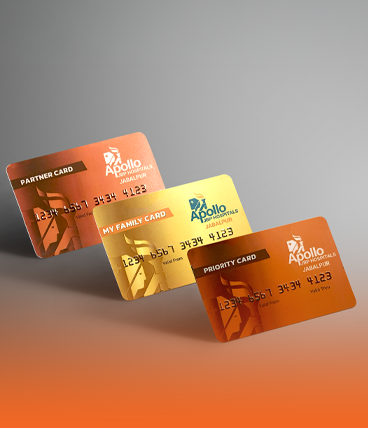
The Making of the Apollo Hospital Card by Hospital Cards manufacturers suppliers delhi india
The Identity Detail Most Brands Miss — And Why It Matters More Than You Think.
Rebranding is one of the most powerful strategic decisions a company can make. It’s a chance to reset public perception, redefine identity, and reposition the brand for a stronger, more relevant future. New logo, new colors, new website, new messaging — every element is carefully crafted and updated.
But there’s one crucial identity element brands often overlook during a rebrand.
Your cards.
Whether it’s business cards, employee ID cards, NFC profile cards, loyalty cards, or access cards — these small rectangles often carry more daily visibility and human interaction than entire marketing campaigns. And yet, they’re updated last, inconsistently, or sometimes not at all.
In reality, your cards are among the first and most frequent touchpoints your brand has. And if you’re rebranding, forgetting them is not an option.
Here’s why.
1. Your Cards Are Your Brand’s Handshake
A business card may seem old-school, but it remains one of the purest elements of brand expression. It travels from hand to hand, meeting rooms to conferences, pockets to desks. Even in a digital-first world, people still exchange cards because they represent credibility, professionalism, and presence.
During a rebrand, if your new visual identity is modern, fresh, and forward-looking—but your team is still handing out outdated cards—you immediately create confusion.
A brand handshake should be:
- intentional
- confident
- aligned
- memorable
Your cards should say exactly what the new brand stands for, without contradiction.
2. Identity Cards Carry Your Brand Every Day
Employee ID cards and lanyards are worn more than any other branded item. They appear in:
- office spaces
- client visits
- events
- vendor meetings
- photos
- videos
- onboarding decks
- social media posts
- behind-the-scenes content
A rebrand that updates signage, websites, and social media but ignores identity cards leaves a strange visual disconnect in your own workplace.
Because ID cards are worn daily, they are:
- the most seen
- the most photographed
- the most shared
- the most culturally significant symbol of belonging
A fresh identity should reflect in these everyday elements first, not last.
3. Smart Cards Make Your Rebrand Feel Modern
As brands shift to digital-first experiences, NFC smart cards, RFID cards, and digital profile cards have become essential tools.
When someone taps your NFC card and sees a beautifully updated digital profile aligned with your new brand language, the experience becomes seamless. Smart cards ensure that:
- the brand update reflects digitally
- information updates instantly
- networking becomes efficient
- the brand feels modern and technologically aware
Ignoring smart identity products during a rebrand sends the wrong message:
You’ve updated your look, but not your systems.4. Rebranding Is About Consistency — Cards Are Often the Breaking Point
A successful rebrand is built on one truth:
Consistency equals trust.Every piece of branding must look like it belongs to the same family. When cards don’t match:
- your offline and online identity clash
- stakeholders get mixed signals
- team members feel disconnected
- the brand loses sharpness and clarity
Cards are physical proof of consistency. If they aren’t updated, the rebrand feels incomplete — sometimes even superficial.
5. Rebranding Is Emotional — Cards Help Employees Feel the Shift
One of the most overlooked parts of rebranding is the internal transformation. Employees need to feel the new brand — not just see it on slides.
Upgraded identity cards and lanyards create a sense of belonging and pride. They represent something deeper:
- “We’re evolving.”
- “This is our new chapter.”
- “We’re part of something bigger.”
When employees wear redesigned cards every day, the brand becomes part of their identity. It’s a subtle but powerful moment that can turn a rebrand into a movement.
6. Your Cards Carry the New Story
Every rebrand has a story — why the brand changed, what it now represents, and where it's heading. Cards help translate that story into everyday objects.
A well-designed business card can communicate:
- sharper brand personality
- renewed confidence
- clarity of design philosophy
- attention to detail
- premium positioning
A redesigned ID card or smart card can reflect:
- enhanced professionalism
- upgraded security
- digital-forward thinking
- a better organizational culture
Your rebrand is a chance to rewrite your story. Your cards help you tell it in spaces where big branding cannot reach.
7. Cards Are Your Smallest Asset With the Biggest Daily Reach
A brand invests crores into advertising, signage, and packaging — but few elements have the daily consistency of a card.
Consider this:
- A billboard is seen for seconds.
- A social post is seen for minutes.
- A website is seen occasionally.
- But an ID card is seen every day.
- A visiting card is saved, filed, or photographed.
- A smart card is tapped repeatedly across weeks or months.
No other identity tool offers such high-frequency exposure with such low cost.
If rebranding is about visibility, cards are your most powerful miniature billboards.
8. Rebrand = Reintroduce Yourself. Your Cards Are the Introduction.
Your new logo, new colors, new messaging — they’re all part of how you reintroduce yourself to the world. But introductions happen in human moments: a handshake, a meeting, a conversation, a tap.
That’s where cards matter most.
They complete the rebrand.
They reflect the transformation.
They make the new brand tangible.Without refreshed cards, the rebrand feels unfinished — like changing your wardrobe but keeping the old name tag.
How Decade of Design Helps Brands Rebrand Right
At Decade of Design, identity is not just printed — it’s crafted.
Our role in a rebrand is to ensure your identity products speak the same language as your renewed brand vision.We help brands update:
- business cards
- ID cards
- NFC smart cards
- RFID access cards
- membership cards
- lanyards
- corporate identity sets
From design alignment to smart integrations, DoD ensures your rebrand is complete, cohesive, and future-proof.
Because identity is not just what you show.
It’s what people remember.
And nothing is remembered more than the card you hand out or the ID you wear every day.Conclusion: Don’t Rebrand Halfway
Rebrands are rare opportunities. When done right, they transform perception, energize teams, and reposition a brand powerfully. When done halfway, they create confusion and inconsistency.
Your cards might be small — but in a rebrand, they carry enormous weight.
Don’t leave them behind.
Don’t update everything and forget the objects that people actually hold, share, and wear.
Your new identity deserves to be felt in every detail.Because when your cards change, your brand doesn’t just look different —
it feels different. - intentional
-

How Corporate Lanyards Are Becoming a Branding Powerhouse
The Identity Detail Most Brands Miss — And Why It Matters More Than You Think.
Rebranding is one of the most powerful strategic decisions a company can make. It’s a chance to reset public perception, redefine identity, and reposition the brand for a stronger, more relevant future. New logo, new colors, new website, new messaging — every element is carefully crafted and updated.
But there’s one crucial identity element brands often overlook during a rebrand.
Your cards.
Whether it’s business cards, employee ID cards, NFC profile cards, loyalty cards, or access cards — these small rectangles often carry more daily visibility and human interaction than entire marketing campaigns. And yet, they’re updated last, inconsistently, or sometimes not at all.
In reality, your cards are among the first and most frequent touchpoints your brand has. And if you’re rebranding, forgetting them is not an option.
Here’s why.
1. Your Cards Are Your Brand’s Handshake
A business card may seem old-school, but it remains one of the purest elements of brand expression. It travels from hand to hand, meeting rooms to conferences, pockets to desks. Even in a digital-first world, people still exchange cards because they represent credibility, professionalism, and presence.
During a rebrand, if your new visual identity is modern, fresh, and forward-looking—but your team is still handing out outdated cards—you immediately create confusion.
A brand handshake should be:
- intentional
- confident
- aligned
- memorable
Your cards should say exactly what the new brand stands for, without contradiction.
2. Identity Cards Carry Your Brand Every Day
Employee ID cards and lanyards are worn more than any other branded item. They appear in:
- office spaces
- client visits
- events
- vendor meetings
- photos
- videos
- onboarding decks
- social media posts
- behind-the-scenes content
A rebrand that updates signage, websites, and social media but ignores identity cards leaves a strange visual disconnect in your own workplace.
Because ID cards are worn daily, they are:
- the most seen
- the most photographed
- the most shared
- the most culturally significant symbol of belonging
A fresh identity should reflect in these everyday elements first, not last.
3. Smart Cards Make Your Rebrand Feel Modern
As brands shift to digital-first experiences, NFC smart cards, RFID cards, and digital profile cards have become essential tools.
When someone taps your NFC card and sees a beautifully updated digital profile aligned with your new brand language, the experience becomes seamless. Smart cards ensure that:
- the brand update reflects digitally
- information updates instantly
- networking becomes efficient
- the brand feels modern and technologically aware
Ignoring smart identity products during a rebrand sends the wrong message:
You’ve updated your look, but not your systems.4. Rebranding Is About Consistency — Cards Are Often the Breaking Point
A successful rebrand is built on one truth:
Consistency equals trust.Every piece of branding must look like it belongs to the same family. When cards don’t match:
- your offline and online identity clash
- stakeholders get mixed signals
- team members feel disconnected
- the brand loses sharpness and clarity
Cards are physical proof of consistency. If they aren’t updated, the rebrand feels incomplete — sometimes even superficial.
5. Rebranding Is Emotional — Cards Help Employees Feel the Shift
One of the most overlooked parts of rebranding is the internal transformation. Employees need to feel the new brand — not just see it on slides.
Upgraded identity cards and lanyards create a sense of belonging and pride. They represent something deeper:
- “We’re evolving.”
- “This is our new chapter.”
- “We’re part of something bigger.”
When employees wear redesigned cards every day, the brand becomes part of their identity. It’s a subtle but powerful moment that can turn a rebrand into a movement.
6. Your Cards Carry the New Story
Every rebrand has a story — why the brand changed, what it now represents, and where it's heading. Cards help translate that story into everyday objects.
A well-designed business card can communicate:
- sharper brand personality
- renewed confidence
- clarity of design philosophy
- attention to detail
- premium positioning
A redesigned ID card or smart card can reflect:
- enhanced professionalism
- upgraded security
- digital-forward thinking
- a better organizational culture
Your rebrand is a chance to rewrite your story. Your cards help you tell it in spaces where big branding cannot reach.
7. Cards Are Your Smallest Asset With the Biggest Daily Reach
A brand invests crores into advertising, signage, and packaging — but few elements have the daily consistency of a card.
Consider this:
- A billboard is seen for seconds.
- A social post is seen for minutes.
- A website is seen occasionally.
- But an ID card is seen every day.
- A visiting card is saved, filed, or photographed.
- A smart card is tapped repeatedly across weeks or months.
No other identity tool offers such high-frequency exposure with such low cost.
If rebranding is about visibility, cards are your most powerful miniature billboards.
8. Rebrand = Reintroduce Yourself. Your Cards Are the Introduction.
Your new logo, new colors, new messaging — they’re all part of how you reintroduce yourself to the world. But introductions happen in human moments: a handshake, a meeting, a conversation, a tap.
That’s where cards matter most.
They complete the rebrand.
They reflect the transformation.
They make the new brand tangible.Without refreshed cards, the rebrand feels unfinished — like changing your wardrobe but keeping the old name tag.
How Decade of Design Helps Brands Rebrand Right
At Decade of Design, identity is not just printed — it’s crafted.
Our role in a rebrand is to ensure your identity products speak the same language as your renewed brand vision.We help brands update:
- business cards
- ID cards
- NFC smart cards
- RFID access cards
- membership cards
- lanyards
- corporate identity sets
From design alignment to smart integrations, DoD ensures your rebrand is complete, cohesive, and future-proof.
Because identity is not just what you show.
It’s what people remember.
And nothing is remembered more than the card you hand out or the ID you wear every day.Conclusion: Don’t Rebrand Halfway
Rebrands are rare opportunities. When done right, they transform perception, energize teams, and reposition a brand powerfully. When done halfway, they create confusion and inconsistency.
Your cards might be small — but in a rebrand, they carry enormous weight.
Don’t leave them behind.
Don’t update everything and forget the objects that people actually hold, share, and wear.
Your new identity deserves to be felt in every detail.Because when your cards change, your brand doesn’t just look different —
it feels different. - intentional
