In a world that is constantly evolving, the way we identify ourselves—professionally and personally—has evolved too. The simple act of exchanging a business card or displaying an ID has transformed dramatically over the last decade. With the rise of digital ecosystems, NFC-based networking, and smart identity solutions, the question naturally arises: Are traditional cards still relevant, or have smart cards taken over as the new standard?
To understand this shift, it’s essential to explore both worlds—the familiar comfort of traditional cards and the innovative power of smart cards—and discover which identity solution truly fits the future.
The Era of Traditional Cards
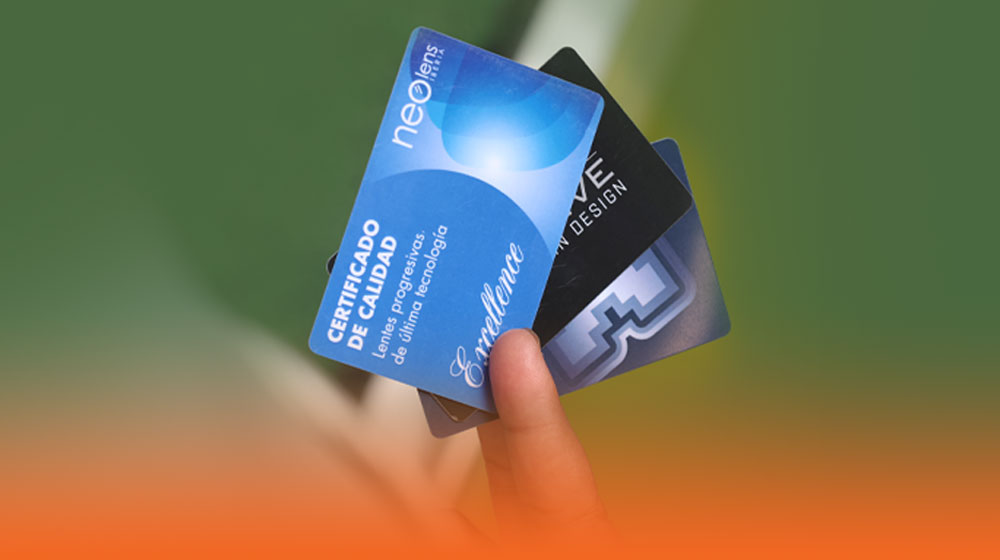
Traditional cards have been the backbone of identity and networking for decades. Whether it’s a paper visiting card handed across a table or a PVC office ID card worn every day, these cards have served as simple, dependable tools of communication.
What made them popular was their ease of use. A traditional card requires no technology, no learning curve, and no setup. You simply hand it over or show it. They are also cost-effective to produce, especially in large volumes, making them ideal for mass requirements in corporates, events, and institutions.
Design plays a key role in traditional cards too. Textures, finishes, colors, and materials allowed businesses to express personality and professionalism. For years, businesses invested in higher GSM papers, metallic finishes, raised inks, and custom designs—believing, rightly, that a card speaks before the person speaks.
However, with time, the limitations began to show. A traditional card holds static information—once printed, it rarely evolves. A change in phone number, email ID, or designation means printing new cards altogether. Paper cards also suffer from wear and tear, and most of them eventually end up in landfills after a single use. While traditional cards have a timeless quality, the world around them has started moving faster than they can keep up.
The Rise of Smart Cards
Smart cards were born from the need for identity solutions that are more dynamic, secure, and technologically advanced. Unlike traditional cards, smart cards use embedded chips, NFC technology, RFID systems, or digital profiles to communicate information.
With a simple tap, a smart card can share a digital profile, a website, social media links, payment details, or even multimedia content. The information isn’t fixed on the card—it lives online and can be updated instantly without reprinting anything.
This makes smart cards deeply relevant in a world that is built on constant updates. Professionals change roles, brands evolve, URLs shift, portfolios expand—and smart cards evolve with them effortlessly.
A smart card isn’t just a networking tool. It is also used for access control, attendance tracking, cashless transactions, loyalty programs, membership authentication, and event management. What used to require multiple cards or systems can now be seamlessly integrated into one intelligent card.
Beyond functionality, smart cards also elevate first impressions. They carry a futuristic appeal—a sense of innovation that instantly communicates modernity and forward-thinking personality. In an environment where digital-first communication dominates, a smart card feels aligned with contemporary expectations.
The Difference in Professional Impact
Traditional cards and smart cards both impact first impressions, but in very different ways. A traditional visiting card has a classic charm, but it limits what the receiver can do with it. They might store it, misplace it, or manually add your details to their phone.
Smart cards, however, shift this experience entirely. A tap instantly transfers your contact details, links, and work profile into the other person’s phone. No manual entry. No mistakes. No lost information.
This creates a smoother, cleaner, more impactful interaction—especially for creators, entrepreneurs, founders, and corporate professionals who rely heavily on networking.
Security: A Growing Priority
One of the strongest advantages smart cards hold over traditional ones is security. Traditional cards offer no protection—they can be copied, misplaced, or misused easily. They cannot authenticate identity or restrict access.
Smart cards, on the other hand, come with encrypted chips and secure communication systems. They can unlock doors, verify identity, prevent duplication, and track usage. In high-security environments like hospitals, corporate offices, campuses, logistics companies, and events, smart cards become not just useful but essential.
Sustainability in the Modern World
Another shift pushing smart cards ahead is the growing consciousness around sustainability. Traditional cards—especially paper visiting cards—have short life spans. Studies show that more than 80% of visiting cards end up discarded within a week.
Smart cards offer a durable, long-term solution. One card can replace hundreds of paper cards, reducing waste significantly. Brands and professionals today prefer sustainable choices not just for the environment but also for the image they project.
Who Prefers What?
Different audiences value different things.
Businesses that need large volumes and simple functionality may still choose traditional cards, especially for temporary staff, events, or short-term needs. But forward-thinking organizations—tech companies, co-working spaces, premium brands, universities, and high-security offices—are shifting rapidly to smart identity systems.
Creators, influencers, and entrepreneurs overwhelmingly prefer NFC smart cards for the simple reason that their world is digital. They need a card that reflects who they are today—not who they were when the card was printed.
The Real Question: What Future Are We Moving Toward?
The world is becoming:
- more digital
- more contactless
- more security-conscious
- more sustainability-driven
- more design-oriented
Smart cards align naturally with this future.
They bridge the gap between physical identity and digital interaction. They offer convenience, professionalism, and impact in a way traditional cards cannot match. They remove the friction of manually sharing information. They ensure identity stays updated and relevant. And they combine design with technology, making identity not just functional but expressive.
Traditional cards will always have a place—but their role is shrinking. Smart cards, meanwhile, are growing beyond networking into full-fledged identity ecosystems.
Where Decade of Design Fits In
Decade of Design has seen this evolution from both sides—traditional and smart. With roots in precision printing and years of mastering card manufacturing, the brand understands how important craftsmanship and reliability are. But with the rapid rise of digital-first identity, Decade of Design has also embraced the smart future—creating NFC-enabled cards, RFID solutions, and modern identity tools that bring together technology, design, and utility.
Whether it’s a beautifully crafted paper card or an advanced smart card, the brand ensures one thing stays constant: meaningful identity. The kind that speaks clearly. The kind that lasts. The kind that evolves with time.
Conclusion: The Future Belongs to Smart Identity
Traditional cards gave the world a strong foundation. They defined professionalism for decades. But identity today demands more. It demands adaptability, interactivity, security, and modern expression. This is where smart cards thrive.
The future of identity isn’t just about carrying who you are—it’s about sharing who you are effortlessly, instantly, and intelligently.
Smart cards make that future possible. Traditional cards remind us where we came from. Together, they mark the journey of identity—but it is smart cards that will lead the way ahead.
Popular Posts
-
25 Years of Legacy: How the Decade of Design Was Born
In a world that is constantly evolving, the way we identify ourselves—professionally and personally—has evolved too. The simple act of exchanging a business card or displaying an ID has transformed dramatically over the last decade. With the rise of digital ecosystems, NFC-based networking, and smart identity solutions, the question naturally arises: Are traditional cards still relevant, or have smart cards taken over as the new standard?
To understand this shift, it’s essential to explore both worlds—the familiar comfort of traditional cards and the innovative power of smart cards—and discover which identity solution truly fits the future.
The Era of Traditional Cards
Traditional cards have been the backbone of identity and networking for decades. Whether it’s a paper visiting card handed across a table or a PVC office ID card worn every day, these cards have served as simple, dependable tools of communication.
What made them popular was their ease of use. A traditional card requires no technology, no learning curve, and no setup. You simply hand it over or show it. They are also cost-effective to produce, especially in large volumes, making them ideal for mass requirements in corporates, events, and institutions.
Design plays a key role in traditional cards too. Textures, finishes, colors, and materials allowed businesses to express personality and professionalism. For years, businesses invested in higher GSM papers, metallic finishes, raised inks, and custom designs—believing, rightly, that a card speaks before the person speaks.
However, with time, the limitations began to show. A traditional card holds static information—once printed, it rarely evolves. A change in phone number, email ID, or designation means printing new cards altogether. Paper cards also suffer from wear and tear, and most of them eventually end up in landfills after a single use. While traditional cards have a timeless quality, the world around them has started moving faster than they can keep up.
The Rise of Smart Cards
Smart cards were born from the need for identity solutions that are more dynamic, secure, and technologically advanced. Unlike traditional cards, smart cards use embedded chips, NFC technology, RFID systems, or digital profiles to communicate information.
With a simple tap, a smart card can share a digital profile, a website, social media links, payment details, or even multimedia content. The information isn’t fixed on the card—it lives online and can be updated instantly without reprinting anything.
This makes smart cards deeply relevant in a world that is built on constant updates. Professionals change roles, brands evolve, URLs shift, portfolios expand—and smart cards evolve with them effortlessly.
A smart card isn’t just a networking tool. It is also used for access control, attendance tracking, cashless transactions, loyalty programs, membership authentication, and event management. What used to require multiple cards or systems can now be seamlessly integrated into one intelligent card.
Beyond functionality, smart cards also elevate first impressions. They carry a futuristic appeal—a sense of innovation that instantly communicates modernity and forward-thinking personality. In an environment where digital-first communication dominates, a smart card feels aligned with contemporary expectations.
The Difference in Professional Impact
Traditional cards and smart cards both impact first impressions, but in very different ways. A traditional visiting card has a classic charm, but it limits what the receiver can do with it. They might store it, misplace it, or manually add your details to their phone.
Smart cards, however, shift this experience entirely. A tap instantly transfers your contact details, links, and work profile into the other person’s phone. No manual entry. No mistakes. No lost information.
This creates a smoother, cleaner, more impactful interaction—especially for creators, entrepreneurs, founders, and corporate professionals who rely heavily on networking.
Security: A Growing Priority
One of the strongest advantages smart cards hold over traditional ones is security. Traditional cards offer no protection—they can be copied, misplaced, or misused easily. They cannot authenticate identity or restrict access.
Smart cards, on the other hand, come with encrypted chips and secure communication systems. They can unlock doors, verify identity, prevent duplication, and track usage. In high-security environments like hospitals, corporate offices, campuses, logistics companies, and events, smart cards become not just useful but essential.
Sustainability in the Modern World
Another shift pushing smart cards ahead is the growing consciousness around sustainability. Traditional cards—especially paper visiting cards—have short life spans. Studies show that more than 80% of visiting cards end up discarded within a week.
Smart cards offer a durable, long-term solution. One card can replace hundreds of paper cards, reducing waste significantly. Brands and professionals today prefer sustainable choices not just for the environment but also for the image they project.
Who Prefers What?
Different audiences value different things.
Businesses that need large volumes and simple functionality may still choose traditional cards, especially for temporary staff, events, or short-term needs. But forward-thinking organizations—tech companies, co-working spaces, premium brands, universities, and high-security offices—are shifting rapidly to smart identity systems.
Creators, influencers, and entrepreneurs overwhelmingly prefer NFC smart cards for the simple reason that their world is digital. They need a card that reflects who they are today—not who they were when the card was printed.
The Real Question: What Future Are We Moving Toward?
The world is becoming:
- more digital
- more contactless
- more security-conscious
- more sustainability-driven
- more design-oriented
Smart cards align naturally with this future.
They bridge the gap between physical identity and digital interaction. They offer convenience, professionalism, and impact in a way traditional cards cannot match. They remove the friction of manually sharing information. They ensure identity stays updated and relevant. And they combine design with technology, making identity not just functional but expressive.
Traditional cards will always have a place—but their role is shrinking. Smart cards, meanwhile, are growing beyond networking into full-fledged identity ecosystems.
Where Decade of Design Fits In
Decade of Design has seen this evolution from both sides—traditional and smart. With roots in precision printing and years of mastering card manufacturing, the brand understands how important craftsmanship and reliability are. But with the rapid rise of digital-first identity, Decade of Design has also embraced the smart future—creating NFC-enabled cards, RFID solutions, and modern identity tools that bring together technology, design, and utility.
Whether it’s a beautifully crafted paper card or an advanced smart card, the brand ensures one thing stays constant: meaningful identity. The kind that speaks clearly. The kind that lasts. The kind that evolves with time.
Conclusion: The Future Belongs to Smart Identity
Traditional cards gave the world a strong foundation. They defined professionalism for decades. But identity today demands more. It demands adaptability, interactivity, security, and modern expression. This is where smart cards thrive.
The future of identity isn’t just about carrying who you are—it’s about sharing who you are effortlessly, instantly, and intelligently.
Smart cards make that future possible. Traditional cards remind us where we came from. Together, they mark the journey of identity—but it is smart cards that will lead the way ahead. - more digital
-
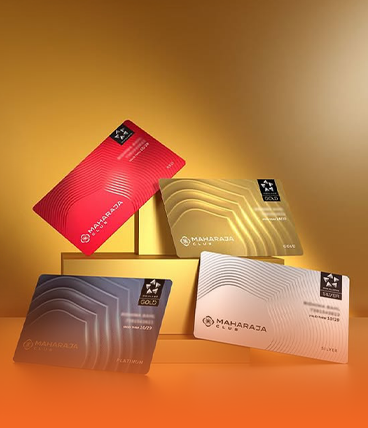
Rebranding? Don’t Forget Your Plastic Pvc Cards.
In a world that is constantly evolving, the way we identify ourselves—professionally and personally—has evolved too. The simple act of exchanging a business card or displaying an ID has transformed dramatically over the last decade. With the rise of digital ecosystems, NFC-based networking, and smart identity solutions, the question naturally arises: Are traditional cards still relevant, or have smart cards taken over as the new standard?
To understand this shift, it’s essential to explore both worlds—the familiar comfort of traditional cards and the innovative power of smart cards—and discover which identity solution truly fits the future.
The Era of Traditional Cards
Traditional cards have been the backbone of identity and networking for decades. Whether it’s a paper visiting card handed across a table or a PVC office ID card worn every day, these cards have served as simple, dependable tools of communication.
What made them popular was their ease of use. A traditional card requires no technology, no learning curve, and no setup. You simply hand it over or show it. They are also cost-effective to produce, especially in large volumes, making them ideal for mass requirements in corporates, events, and institutions.
Design plays a key role in traditional cards too. Textures, finishes, colors, and materials allowed businesses to express personality and professionalism. For years, businesses invested in higher GSM papers, metallic finishes, raised inks, and custom designs—believing, rightly, that a card speaks before the person speaks.
However, with time, the limitations began to show. A traditional card holds static information—once printed, it rarely evolves. A change in phone number, email ID, or designation means printing new cards altogether. Paper cards also suffer from wear and tear, and most of them eventually end up in landfills after a single use. While traditional cards have a timeless quality, the world around them has started moving faster than they can keep up.
The Rise of Smart Cards
Smart cards were born from the need for identity solutions that are more dynamic, secure, and technologically advanced. Unlike traditional cards, smart cards use embedded chips, NFC technology, RFID systems, or digital profiles to communicate information.
With a simple tap, a smart card can share a digital profile, a website, social media links, payment details, or even multimedia content. The information isn’t fixed on the card—it lives online and can be updated instantly without reprinting anything.
This makes smart cards deeply relevant in a world that is built on constant updates. Professionals change roles, brands evolve, URLs shift, portfolios expand—and smart cards evolve with them effortlessly.
A smart card isn’t just a networking tool. It is also used for access control, attendance tracking, cashless transactions, loyalty programs, membership authentication, and event management. What used to require multiple cards or systems can now be seamlessly integrated into one intelligent card.
Beyond functionality, smart cards also elevate first impressions. They carry a futuristic appeal—a sense of innovation that instantly communicates modernity and forward-thinking personality. In an environment where digital-first communication dominates, a smart card feels aligned with contemporary expectations.
The Difference in Professional Impact
Traditional cards and smart cards both impact first impressions, but in very different ways. A traditional visiting card has a classic charm, but it limits what the receiver can do with it. They might store it, misplace it, or manually add your details to their phone.
Smart cards, however, shift this experience entirely. A tap instantly transfers your contact details, links, and work profile into the other person’s phone. No manual entry. No mistakes. No lost information.
This creates a smoother, cleaner, more impactful interaction—especially for creators, entrepreneurs, founders, and corporate professionals who rely heavily on networking.
Security: A Growing Priority
One of the strongest advantages smart cards hold over traditional ones is security. Traditional cards offer no protection—they can be copied, misplaced, or misused easily. They cannot authenticate identity or restrict access.
Smart cards, on the other hand, come with encrypted chips and secure communication systems. They can unlock doors, verify identity, prevent duplication, and track usage. In high-security environments like hospitals, corporate offices, campuses, logistics companies, and events, smart cards become not just useful but essential.
Sustainability in the Modern World
Another shift pushing smart cards ahead is the growing consciousness around sustainability. Traditional cards—especially paper visiting cards—have short life spans. Studies show that more than 80% of visiting cards end up discarded within a week.
Smart cards offer a durable, long-term solution. One card can replace hundreds of paper cards, reducing waste significantly. Brands and professionals today prefer sustainable choices not just for the environment but also for the image they project.
Who Prefers What?
Different audiences value different things.
Businesses that need large volumes and simple functionality may still choose traditional cards, especially for temporary staff, events, or short-term needs. But forward-thinking organizations—tech companies, co-working spaces, premium brands, universities, and high-security offices—are shifting rapidly to smart identity systems.
Creators, influencers, and entrepreneurs overwhelmingly prefer NFC smart cards for the simple reason that their world is digital. They need a card that reflects who they are today—not who they were when the card was printed.
The Real Question: What Future Are We Moving Toward?
The world is becoming:
- more digital
- more contactless
- more security-conscious
- more sustainability-driven
- more design-oriented
Smart cards align naturally with this future.
They bridge the gap between physical identity and digital interaction. They offer convenience, professionalism, and impact in a way traditional cards cannot match. They remove the friction of manually sharing information. They ensure identity stays updated and relevant. And they combine design with technology, making identity not just functional but expressive.
Traditional cards will always have a place—but their role is shrinking. Smart cards, meanwhile, are growing beyond networking into full-fledged identity ecosystems.
Where Decade of Design Fits In
Decade of Design has seen this evolution from both sides—traditional and smart. With roots in precision printing and years of mastering card manufacturing, the brand understands how important craftsmanship and reliability are. But with the rapid rise of digital-first identity, Decade of Design has also embraced the smart future—creating NFC-enabled cards, RFID solutions, and modern identity tools that bring together technology, design, and utility.
Whether it’s a beautifully crafted paper card or an advanced smart card, the brand ensures one thing stays constant: meaningful identity. The kind that speaks clearly. The kind that lasts. The kind that evolves with time.
Conclusion: The Future Belongs to Smart Identity
Traditional cards gave the world a strong foundation. They defined professionalism for decades. But identity today demands more. It demands adaptability, interactivity, security, and modern expression. This is where smart cards thrive.
The future of identity isn’t just about carrying who you are—it’s about sharing who you are effortlessly, instantly, and intelligently.
Smart cards make that future possible. Traditional cards remind us where we came from. Together, they mark the journey of identity—but it is smart cards that will lead the way ahead. - more digital
-
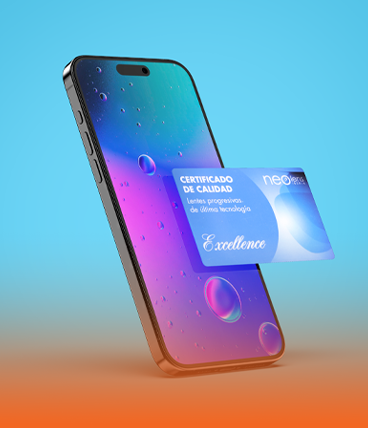
The Importance of NFC Cards in This Fast-Pacing World
In a world that is constantly evolving, the way we identify ourselves—professionally and personally—has evolved too. The simple act of exchanging a business card or displaying an ID has transformed dramatically over the last decade. With the rise of digital ecosystems, NFC-based networking, and smart identity solutions, the question naturally arises: Are traditional cards still relevant, or have smart cards taken over as the new standard?
To understand this shift, it’s essential to explore both worlds—the familiar comfort of traditional cards and the innovative power of smart cards—and discover which identity solution truly fits the future.
The Era of Traditional Cards
Traditional cards have been the backbone of identity and networking for decades. Whether it’s a paper visiting card handed across a table or a PVC office ID card worn every day, these cards have served as simple, dependable tools of communication.
What made them popular was their ease of use. A traditional card requires no technology, no learning curve, and no setup. You simply hand it over or show it. They are also cost-effective to produce, especially in large volumes, making them ideal for mass requirements in corporates, events, and institutions.
Design plays a key role in traditional cards too. Textures, finishes, colors, and materials allowed businesses to express personality and professionalism. For years, businesses invested in higher GSM papers, metallic finishes, raised inks, and custom designs—believing, rightly, that a card speaks before the person speaks.
However, with time, the limitations began to show. A traditional card holds static information—once printed, it rarely evolves. A change in phone number, email ID, or designation means printing new cards altogether. Paper cards also suffer from wear and tear, and most of them eventually end up in landfills after a single use. While traditional cards have a timeless quality, the world around them has started moving faster than they can keep up.
The Rise of Smart Cards
Smart cards were born from the need for identity solutions that are more dynamic, secure, and technologically advanced. Unlike traditional cards, smart cards use embedded chips, NFC technology, RFID systems, or digital profiles to communicate information.
With a simple tap, a smart card can share a digital profile, a website, social media links, payment details, or even multimedia content. The information isn’t fixed on the card—it lives online and can be updated instantly without reprinting anything.
This makes smart cards deeply relevant in a world that is built on constant updates. Professionals change roles, brands evolve, URLs shift, portfolios expand—and smart cards evolve with them effortlessly.
A smart card isn’t just a networking tool. It is also used for access control, attendance tracking, cashless transactions, loyalty programs, membership authentication, and event management. What used to require multiple cards or systems can now be seamlessly integrated into one intelligent card.
Beyond functionality, smart cards also elevate first impressions. They carry a futuristic appeal—a sense of innovation that instantly communicates modernity and forward-thinking personality. In an environment where digital-first communication dominates, a smart card feels aligned with contemporary expectations.
The Difference in Professional Impact
Traditional cards and smart cards both impact first impressions, but in very different ways. A traditional visiting card has a classic charm, but it limits what the receiver can do with it. They might store it, misplace it, or manually add your details to their phone.
Smart cards, however, shift this experience entirely. A tap instantly transfers your contact details, links, and work profile into the other person’s phone. No manual entry. No mistakes. No lost information.
This creates a smoother, cleaner, more impactful interaction—especially for creators, entrepreneurs, founders, and corporate professionals who rely heavily on networking.
Security: A Growing Priority
One of the strongest advantages smart cards hold over traditional ones is security. Traditional cards offer no protection—they can be copied, misplaced, or misused easily. They cannot authenticate identity or restrict access.
Smart cards, on the other hand, come with encrypted chips and secure communication systems. They can unlock doors, verify identity, prevent duplication, and track usage. In high-security environments like hospitals, corporate offices, campuses, logistics companies, and events, smart cards become not just useful but essential.
Sustainability in the Modern World
Another shift pushing smart cards ahead is the growing consciousness around sustainability. Traditional cards—especially paper visiting cards—have short life spans. Studies show that more than 80% of visiting cards end up discarded within a week.
Smart cards offer a durable, long-term solution. One card can replace hundreds of paper cards, reducing waste significantly. Brands and professionals today prefer sustainable choices not just for the environment but also for the image they project.
Who Prefers What?
Different audiences value different things.
Businesses that need large volumes and simple functionality may still choose traditional cards, especially for temporary staff, events, or short-term needs. But forward-thinking organizations—tech companies, co-working spaces, premium brands, universities, and high-security offices—are shifting rapidly to smart identity systems.
Creators, influencers, and entrepreneurs overwhelmingly prefer NFC smart cards for the simple reason that their world is digital. They need a card that reflects who they are today—not who they were when the card was printed.
The Real Question: What Future Are We Moving Toward?
The world is becoming:
- more digital
- more contactless
- more security-conscious
- more sustainability-driven
- more design-oriented
Smart cards align naturally with this future.
They bridge the gap between physical identity and digital interaction. They offer convenience, professionalism, and impact in a way traditional cards cannot match. They remove the friction of manually sharing information. They ensure identity stays updated and relevant. And they combine design with technology, making identity not just functional but expressive.
Traditional cards will always have a place—but their role is shrinking. Smart cards, meanwhile, are growing beyond networking into full-fledged identity ecosystems.
Where Decade of Design Fits In
Decade of Design has seen this evolution from both sides—traditional and smart. With roots in precision printing and years of mastering card manufacturing, the brand understands how important craftsmanship and reliability are. But with the rapid rise of digital-first identity, Decade of Design has also embraced the smart future—creating NFC-enabled cards, RFID solutions, and modern identity tools that bring together technology, design, and utility.
Whether it’s a beautifully crafted paper card or an advanced smart card, the brand ensures one thing stays constant: meaningful identity. The kind that speaks clearly. The kind that lasts. The kind that evolves with time.
Conclusion: The Future Belongs to Smart Identity
Traditional cards gave the world a strong foundation. They defined professionalism for decades. But identity today demands more. It demands adaptability, interactivity, security, and modern expression. This is where smart cards thrive.
The future of identity isn’t just about carrying who you are—it’s about sharing who you are effortlessly, instantly, and intelligently.
Smart cards make that future possible. Traditional cards remind us where we came from. Together, they mark the journey of identity—but it is smart cards that will lead the way ahead. - more digital
-
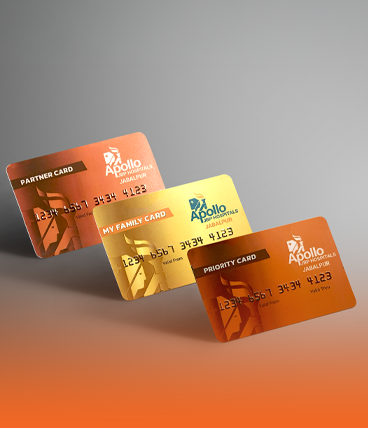
The Making of the Apollo Hospital Card by Hospital Cards manufacturers suppliers delhi india
In a world that is constantly evolving, the way we identify ourselves—professionally and personally—has evolved too. The simple act of exchanging a business card or displaying an ID has transformed dramatically over the last decade. With the rise of digital ecosystems, NFC-based networking, and smart identity solutions, the question naturally arises: Are traditional cards still relevant, or have smart cards taken over as the new standard?
To understand this shift, it’s essential to explore both worlds—the familiar comfort of traditional cards and the innovative power of smart cards—and discover which identity solution truly fits the future.
The Era of Traditional Cards
Traditional cards have been the backbone of identity and networking for decades. Whether it’s a paper visiting card handed across a table or a PVC office ID card worn every day, these cards have served as simple, dependable tools of communication.
What made them popular was their ease of use. A traditional card requires no technology, no learning curve, and no setup. You simply hand it over or show it. They are also cost-effective to produce, especially in large volumes, making them ideal for mass requirements in corporates, events, and institutions.
Design plays a key role in traditional cards too. Textures, finishes, colors, and materials allowed businesses to express personality and professionalism. For years, businesses invested in higher GSM papers, metallic finishes, raised inks, and custom designs—believing, rightly, that a card speaks before the person speaks.
However, with time, the limitations began to show. A traditional card holds static information—once printed, it rarely evolves. A change in phone number, email ID, or designation means printing new cards altogether. Paper cards also suffer from wear and tear, and most of them eventually end up in landfills after a single use. While traditional cards have a timeless quality, the world around them has started moving faster than they can keep up.
The Rise of Smart Cards
Smart cards were born from the need for identity solutions that are more dynamic, secure, and technologically advanced. Unlike traditional cards, smart cards use embedded chips, NFC technology, RFID systems, or digital profiles to communicate information.
With a simple tap, a smart card can share a digital profile, a website, social media links, payment details, or even multimedia content. The information isn’t fixed on the card—it lives online and can be updated instantly without reprinting anything.
This makes smart cards deeply relevant in a world that is built on constant updates. Professionals change roles, brands evolve, URLs shift, portfolios expand—and smart cards evolve with them effortlessly.
A smart card isn’t just a networking tool. It is also used for access control, attendance tracking, cashless transactions, loyalty programs, membership authentication, and event management. What used to require multiple cards or systems can now be seamlessly integrated into one intelligent card.
Beyond functionality, smart cards also elevate first impressions. They carry a futuristic appeal—a sense of innovation that instantly communicates modernity and forward-thinking personality. In an environment where digital-first communication dominates, a smart card feels aligned with contemporary expectations.
The Difference in Professional Impact
Traditional cards and smart cards both impact first impressions, but in very different ways. A traditional visiting card has a classic charm, but it limits what the receiver can do with it. They might store it, misplace it, or manually add your details to their phone.
Smart cards, however, shift this experience entirely. A tap instantly transfers your contact details, links, and work profile into the other person’s phone. No manual entry. No mistakes. No lost information.
This creates a smoother, cleaner, more impactful interaction—especially for creators, entrepreneurs, founders, and corporate professionals who rely heavily on networking.
Security: A Growing Priority
One of the strongest advantages smart cards hold over traditional ones is security. Traditional cards offer no protection—they can be copied, misplaced, or misused easily. They cannot authenticate identity or restrict access.
Smart cards, on the other hand, come with encrypted chips and secure communication systems. They can unlock doors, verify identity, prevent duplication, and track usage. In high-security environments like hospitals, corporate offices, campuses, logistics companies, and events, smart cards become not just useful but essential.
Sustainability in the Modern World
Another shift pushing smart cards ahead is the growing consciousness around sustainability. Traditional cards—especially paper visiting cards—have short life spans. Studies show that more than 80% of visiting cards end up discarded within a week.
Smart cards offer a durable, long-term solution. One card can replace hundreds of paper cards, reducing waste significantly. Brands and professionals today prefer sustainable choices not just for the environment but also for the image they project.
Who Prefers What?
Different audiences value different things.
Businesses that need large volumes and simple functionality may still choose traditional cards, especially for temporary staff, events, or short-term needs. But forward-thinking organizations—tech companies, co-working spaces, premium brands, universities, and high-security offices—are shifting rapidly to smart identity systems.
Creators, influencers, and entrepreneurs overwhelmingly prefer NFC smart cards for the simple reason that their world is digital. They need a card that reflects who they are today—not who they were when the card was printed.
The Real Question: What Future Are We Moving Toward?
The world is becoming:
- more digital
- more contactless
- more security-conscious
- more sustainability-driven
- more design-oriented
Smart cards align naturally with this future.
They bridge the gap between physical identity and digital interaction. They offer convenience, professionalism, and impact in a way traditional cards cannot match. They remove the friction of manually sharing information. They ensure identity stays updated and relevant. And they combine design with technology, making identity not just functional but expressive.
Traditional cards will always have a place—but their role is shrinking. Smart cards, meanwhile, are growing beyond networking into full-fledged identity ecosystems.
Where Decade of Design Fits In
Decade of Design has seen this evolution from both sides—traditional and smart. With roots in precision printing and years of mastering card manufacturing, the brand understands how important craftsmanship and reliability are. But with the rapid rise of digital-first identity, Decade of Design has also embraced the smart future—creating NFC-enabled cards, RFID solutions, and modern identity tools that bring together technology, design, and utility.
Whether it’s a beautifully crafted paper card or an advanced smart card, the brand ensures one thing stays constant: meaningful identity. The kind that speaks clearly. The kind that lasts. The kind that evolves with time.
Conclusion: The Future Belongs to Smart Identity
Traditional cards gave the world a strong foundation. They defined professionalism for decades. But identity today demands more. It demands adaptability, interactivity, security, and modern expression. This is where smart cards thrive.
The future of identity isn’t just about carrying who you are—it’s about sharing who you are effortlessly, instantly, and intelligently.
Smart cards make that future possible. Traditional cards remind us where we came from. Together, they mark the journey of identity—but it is smart cards that will lead the way ahead. - more digital
-
How Corporate Lanyards Are Becoming a Branding Powerhouse
In a world that is constantly evolving, the way we identify ourselves—professionally and personally—has evolved too. The simple act of exchanging a business card or displaying an ID has transformed dramatically over the last decade. With the rise of digital ecosystems, NFC-based networking, and smart identity solutions, the question naturally arises: Are traditional cards still relevant, or have smart cards taken over as the new standard?
To understand this shift, it’s essential to explore both worlds—the familiar comfort of traditional cards and the innovative power of smart cards—and discover which identity solution truly fits the future.
The Era of Traditional Cards
Traditional cards have been the backbone of identity and networking for decades. Whether it’s a paper visiting card handed across a table or a PVC office ID card worn every day, these cards have served as simple, dependable tools of communication.
What made them popular was their ease of use. A traditional card requires no technology, no learning curve, and no setup. You simply hand it over or show it. They are also cost-effective to produce, especially in large volumes, making them ideal for mass requirements in corporates, events, and institutions.
Design plays a key role in traditional cards too. Textures, finishes, colors, and materials allowed businesses to express personality and professionalism. For years, businesses invested in higher GSM papers, metallic finishes, raised inks, and custom designs—believing, rightly, that a card speaks before the person speaks.
However, with time, the limitations began to show. A traditional card holds static information—once printed, it rarely evolves. A change in phone number, email ID, or designation means printing new cards altogether. Paper cards also suffer from wear and tear, and most of them eventually end up in landfills after a single use. While traditional cards have a timeless quality, the world around them has started moving faster than they can keep up.
The Rise of Smart Cards
Smart cards were born from the need for identity solutions that are more dynamic, secure, and technologically advanced. Unlike traditional cards, smart cards use embedded chips, NFC technology, RFID systems, or digital profiles to communicate information.
With a simple tap, a smart card can share a digital profile, a website, social media links, payment details, or even multimedia content. The information isn’t fixed on the card—it lives online and can be updated instantly without reprinting anything.
This makes smart cards deeply relevant in a world that is built on constant updates. Professionals change roles, brands evolve, URLs shift, portfolios expand—and smart cards evolve with them effortlessly.
A smart card isn’t just a networking tool. It is also used for access control, attendance tracking, cashless transactions, loyalty programs, membership authentication, and event management. What used to require multiple cards or systems can now be seamlessly integrated into one intelligent card.
Beyond functionality, smart cards also elevate first impressions. They carry a futuristic appeal—a sense of innovation that instantly communicates modernity and forward-thinking personality. In an environment where digital-first communication dominates, a smart card feels aligned with contemporary expectations.
The Difference in Professional Impact
Traditional cards and smart cards both impact first impressions, but in very different ways. A traditional visiting card has a classic charm, but it limits what the receiver can do with it. They might store it, misplace it, or manually add your details to their phone.
Smart cards, however, shift this experience entirely. A tap instantly transfers your contact details, links, and work profile into the other person’s phone. No manual entry. No mistakes. No lost information.
This creates a smoother, cleaner, more impactful interaction—especially for creators, entrepreneurs, founders, and corporate professionals who rely heavily on networking.
Security: A Growing Priority
One of the strongest advantages smart cards hold over traditional ones is security. Traditional cards offer no protection—they can be copied, misplaced, or misused easily. They cannot authenticate identity or restrict access.
Smart cards, on the other hand, come with encrypted chips and secure communication systems. They can unlock doors, verify identity, prevent duplication, and track usage. In high-security environments like hospitals, corporate offices, campuses, logistics companies, and events, smart cards become not just useful but essential.
Sustainability in the Modern World
Another shift pushing smart cards ahead is the growing consciousness around sustainability. Traditional cards—especially paper visiting cards—have short life spans. Studies show that more than 80% of visiting cards end up discarded within a week.
Smart cards offer a durable, long-term solution. One card can replace hundreds of paper cards, reducing waste significantly. Brands and professionals today prefer sustainable choices not just for the environment but also for the image they project.
Who Prefers What?
Different audiences value different things.
Businesses that need large volumes and simple functionality may still choose traditional cards, especially for temporary staff, events, or short-term needs. But forward-thinking organizations—tech companies, co-working spaces, premium brands, universities, and high-security offices—are shifting rapidly to smart identity systems.
Creators, influencers, and entrepreneurs overwhelmingly prefer NFC smart cards for the simple reason that their world is digital. They need a card that reflects who they are today—not who they were when the card was printed.
The Real Question: What Future Are We Moving Toward?
The world is becoming:
- more digital
- more contactless
- more security-conscious
- more sustainability-driven
- more design-oriented
Smart cards align naturally with this future.
They bridge the gap between physical identity and digital interaction. They offer convenience, professionalism, and impact in a way traditional cards cannot match. They remove the friction of manually sharing information. They ensure identity stays updated and relevant. And they combine design with technology, making identity not just functional but expressive.
Traditional cards will always have a place—but their role is shrinking. Smart cards, meanwhile, are growing beyond networking into full-fledged identity ecosystems.
Where Decade of Design Fits In
Decade of Design has seen this evolution from both sides—traditional and smart. With roots in precision printing and years of mastering card manufacturing, the brand understands how important craftsmanship and reliability are. But with the rapid rise of digital-first identity, Decade of Design has also embraced the smart future—creating NFC-enabled cards, RFID solutions, and modern identity tools that bring together technology, design, and utility.
Whether it’s a beautifully crafted paper card or an advanced smart card, the brand ensures one thing stays constant: meaningful identity. The kind that speaks clearly. The kind that lasts. The kind that evolves with time.
Conclusion: The Future Belongs to Smart Identity
Traditional cards gave the world a strong foundation. They defined professionalism for decades. But identity today demands more. It demands adaptability, interactivity, security, and modern expression. This is where smart cards thrive.
The future of identity isn’t just about carrying who you are—it’s about sharing who you are effortlessly, instantly, and intelligently.
Smart cards make that future possible. Traditional cards remind us where we came from. Together, they mark the journey of identity—but it is smart cards that will lead the way ahead. - more digital
